
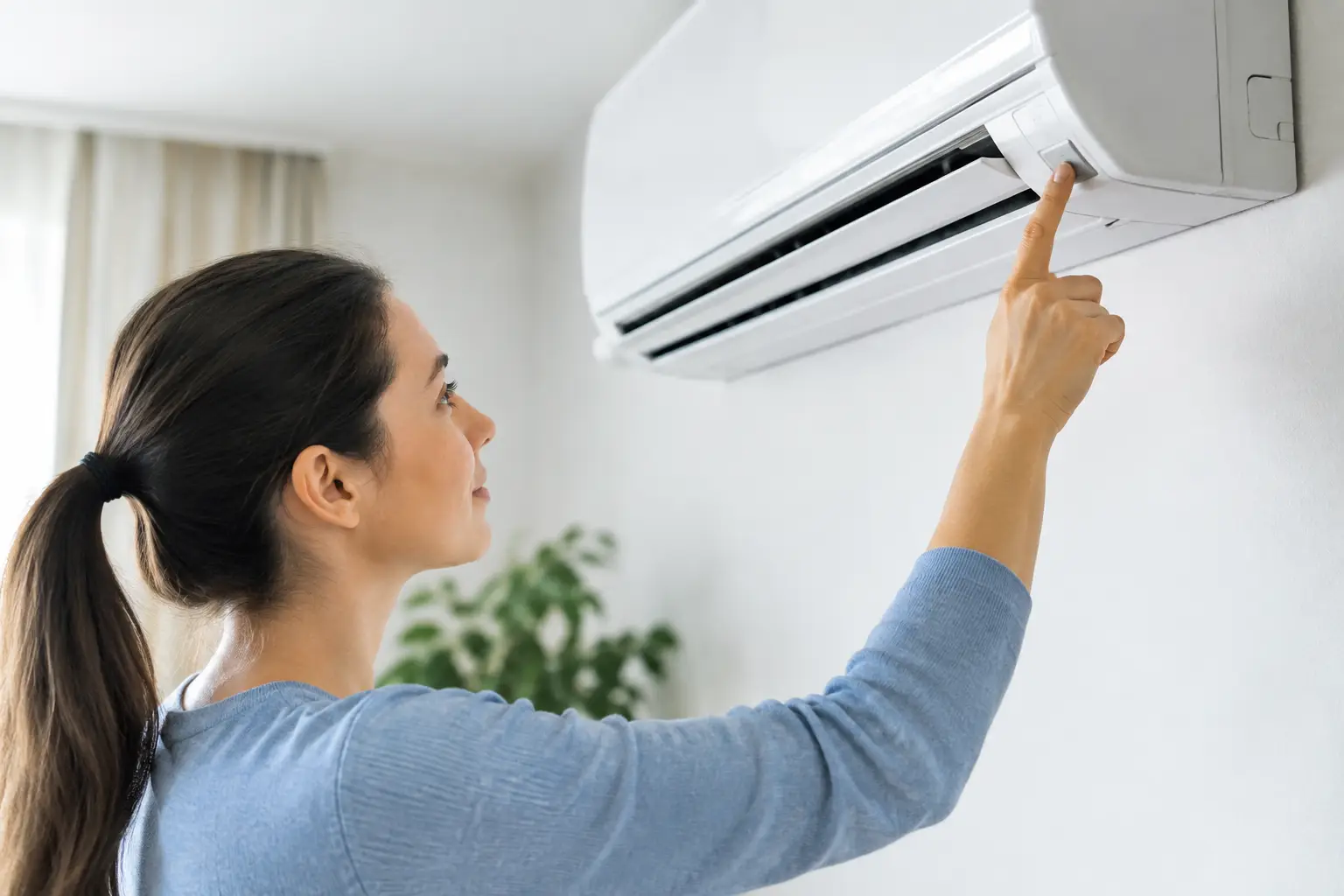
When your system stops responding on a hot afternoon or a cold Melbourne morning, it is tempting to reset air conditioner controls straight away. A reset can clear a minor communication glitch or restart a unit after a power interruption. It will not, however, fix a tripped safety device, a refrigerant issue, a blocked drain or an electrical fault.
The safest approach is simple: check the obvious causes first, reset the system once using the correct method, then arrange professional help if the fault returns. That protects your comfort, your equipment and your household.
When to Reset an Air Conditioner
A reset is worth trying when the unit has lost power after a storm, blackout or switchboard trip, the wall controller is frozen or unresponsive, or the system is running but not following its normal settings. Smart and ducted systems can occasionally need a clean restart after a network or control interruption too.
Do not treat resetting as routine troubleshooting if you smell burning, hear loud buzzing or grinding, see water near electrical components, or notice the switchboard safety switch has tripped repeatedly. Turn the air conditioner off and arrange a qualified technician. Repeatedly restoring power to a system with an unresolved fault can cause further damage.
It also helps to separate a reset issue from a settings issue. A system set to fan-only mode will move air but will not cool or heat it. A timer, sleep setting, zone setting or temperature setpoint can make a working system appear faulty. Check these before cutting power.
Checks to Make Before You Reset
Start at the wall controller or remote. Confirm the system is switched on, set to cooling or heating as required, and set at a sensible temperature. For cooling, choose a setpoint well below the current room temperature. For heating, choose one above it. Give the system a few minutes to respond, particularly after changing modes.
Next, inspect the return-air filter if it is safe and accessible. A heavily dust-laden filter restricts airflow, reduces performance and can cause some systems to shut down on protection. Clean reusable filters according to the manufacturer instructions, let them dry fully and refit them correctly. If your split system is dripping indoors or has iced up, turn it off rather than resetting it repeatedly.
Check the outdoor unit from a safe distance. It needs clear airflow around it. Remove leaves, loose debris and stored items nearby, but do not hose the unit, remove its covers or reach through the grille. A blocked outdoor unit may overheat in summer or struggle to defrost in winter.
Finally, look at the switchboard. If the air conditioning circuit breaker is off, switch it fully off first and then back on once. If it immediately trips again, leave it off. A circuit that will not stay on needs diagnosis by a licensed professional, not repeated resets.
How to Reset an Air Conditioner Safely
The right reset method depends on the system. Most modern split, ducted and multi-head systems are reset by isolating power briefly rather than pressing a hidden button. Some controllers also have a restart option, but a complete power cycle is often more effective when the display is unresponsive.
Resetting a split system
Turn the system off with the remote or wall control. Wait until the indoor unit has stopped operating. Then turn off its dedicated isolator switch, usually located near the outdoor unit, or switch off the relevant air conditioning circuit at the switchboard if you can identify it with confidence.
Leave the power off for five minutes. This gives the control board time to fully discharge and clear a temporary error state. Restore power, wait a further few minutes, then restart the unit in the required mode. Many systems have a built-in compressor protection delay, so the outdoor unit may not start immediately. That is normal.
Resetting a ducted air conditioner
Turn the ducted system off at its wall controller first. If the controller has a clear restart function, use that before isolating power. If it remains blank, locked up or unresponsive, switch off the dedicated circuit at the switchboard for five minutes and then restore it.
Once power is back on, allow the controller to reconnect. Confirm the selected zones are open and the temperature setting is appropriate before judging performance. Ducted systems can take longer to stabilise because they are conditioning a larger area and may manage multiple zones.
Resetting a smart controller
If the air conditioner works manually but not through an app, the problem may be the controller, Wi-Fi connection or home network rather than the air conditioner itself. Restart the wall controller or app first, then restart your modem if other smart devices are also offline.
Avoid factory-resetting a smart controller unless you have the installation details and know how it was configured. A factory reset can remove zoning, schedules and integration settings that need to be set up again. For AirSmart-integrated systems, expert support can save time and ensure the controls return to their intended operation.
What a Reset Cannot Fix
A reset may get the display working again, but it cannot repair the underlying reason for a fault. If the same error code returns, write it down or take a photo before switching the system off. That information gives a technician a faster starting point.
Common problems that need more than a reset include a failed capacitor or fan motor, refrigerant leaks, blocked condensate drainage, damaged wiring, sensor faults and control-board issues. Poor heating or cooling can also result from dirty coils, incorrect system sizing, leaking ductwork or airflow restrictions.
The trade-off is clear: resetting once can be a practical first step and may restore comfort quickly. Resetting every few days because the system keeps failing can mask a developing issue, increase running costs and risk an inconvenient breakdown when you need heating or cooling most.
Why Your Air Conditioner Keeps Needing a Reset
Frequent resets after power outages may point to electrical supply instability or a sensitive control board. If the system trips during heavy rain, when it starts up, or when several appliances are running, tell your technician exactly when it happens. The timing can help narrow down the cause.
A reset that is needed only after long periods of operation may indicate overheating or drainage problems. This is particularly common when filters have not been cleaned, outdoor airflow is restricted or servicing has been delayed. In winter, a reverse-cycle unit will periodically enter defrost mode. During defrost it may pause heating temporarily, and steam can rise from the outdoor unit. That is usually normal and does not require a reset.
Inconsistent comfort is another sign to investigate. If one room is always too warm, zones do not respond, or the system runs constantly without reaching temperature, a tailored assessment is more useful than another restart. The issue may be control settings, duct design, insulation, capacity or component performance.
Keep Resets From Becoming a Habit
Regular servicing is the best way to reduce avoidable faults. A professional service checks electrical connections, drainage, airflow, operating pressures and overall performance, while giving you clear advice on any parts showing wear. For homes with ducted or smart systems, it is also a chance to review zoning and settings for better comfort and energy use.
Between visits, clean filters as recommended for your unit and keep the outdoor area clear. Use sensible temperature settings rather than forcing the system to work at its maximum all day. In many homes, a modest setting combined with effective zoning provides more consistent comfort and lower energy consumption.
If one careful reset does not restore normal operation, or the problem returns, book a repair rather than guessing. Air Con Solutions can diagnose the cause and recommend the most practical path forward, whether that is a repair, service or adjustment to your system controls.
A reset should leave your air conditioner operating normally, not become part of the weekly routine. When it does, prompt attention gives you the best chance of restoring reliable comfort before a small issue becomes a larger one.