
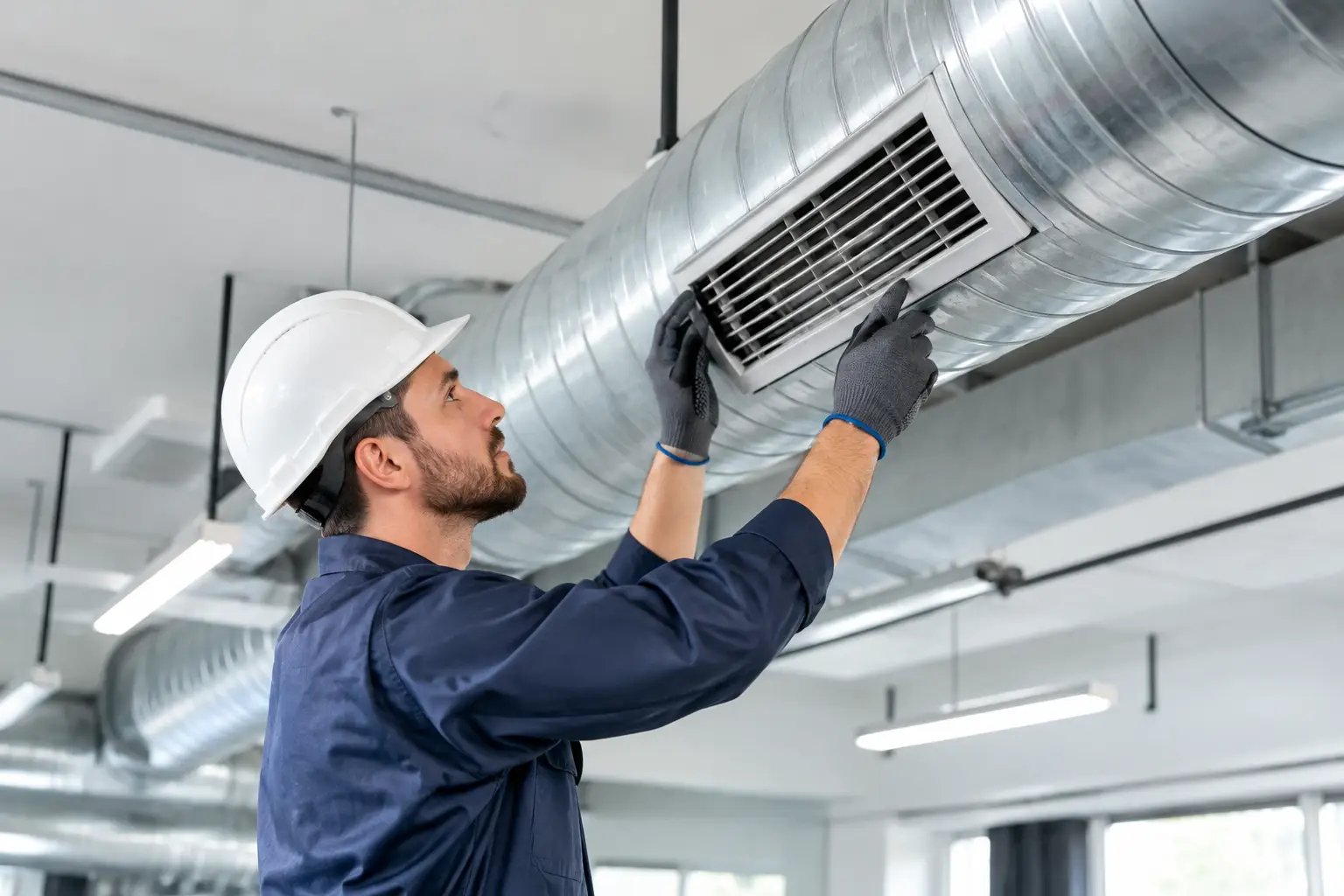
A stuffy meeting room at 2 pm, lingering odours near the lunch area, or staff constantly adjusting the temperature are not minor workplace irritations. They can point to poor airflow. Knowing how to improve commercial ventilation helps create a more comfortable space for employees, customers and visitors while giving your heating and cooling system a better chance to operate efficiently.
For small offices, retail spaces, clinics and hospitality venues, the best answer is rarely simply turning the air conditioner down. Commercial ventilation is about bringing in enough outdoor air, removing stale air and contaminants, and distributing conditioned air where people need it. The right solution depends on the building layout, occupancy, equipment and how the space is actually used.
Start with the signs your ventilation needs attention
Ventilation problems are often felt before they are measured. Rooms may seem stuffy even when the air conditioning is running, or they may be noticeably warmer or cooler than neighbouring areas. Condensation on windows, persistent musty smells and visible mould are also warning signs that moisture is not being managed properly.
People matter too. If staff regularly report headaches, fatigue, dry eyes or discomfort that improves once they leave the building, indoor air quality and ventilation should be assessed. These symptoms can have several causes, so they are not a diagnosis on their own. But they are a sensible reason to have a qualified technician inspect the system.
Pay attention to when and where the issue occurs. A retail shop may be comfortable in the morning but struggle when the doors are open and customer numbers rise. An office boardroom can become stale only when fully occupied. Those details help identify whether the problem is airflow capacity, poor balancing, blocked vents, inadequate outside-air provision or a control setting.
How to improve commercial ventilation without wasting energy
The most effective improvements begin with an assessment of the entire system rather than a quick adjustment at one grille. A technician can check airflow rates, return-air paths, filters, outdoor-air intakes, duct condition and controls, then match findings to the needs of the space.
Keep filters, coils and vents clean
A dirty filter restricts airflow and makes the fan work harder. It can also allow dust and pollutants to circulate through the building if it is damaged or poorly fitted. Filters should be checked on a schedule that reflects the environment. A quiet professional office may need less frequent attention than a street-facing shop, workshop or venue with high foot traffic.
Indoor coils, outdoor units and supply vents also need to remain clear. Dust buildup reduces system performance, while furniture, stock displays or ceiling alterations can block supply and return grilles. Moving a cabinet away from a return-air vent may seem small, but it can make a noticeable difference to circulation in that zone.
Filter upgrades can improve particle capture, but there is a trade-off. Higher-efficiency filters may increase resistance to airflow if the system was not designed for them. The filter choice should suit the equipment and the building's needs, not just the highest rating available.
Confirm outdoor air is reaching occupied areas
Air conditioning cools or heats air, but ventilation introduces fresh outdoor air and removes stale indoor air. Many commercial systems combine these functions through outside-air dampers, dedicated fans or mechanical ventilation equipment. If a damper is stuck, an intake is obstructed or settings have been changed over time, the system may be recirculating too much indoor air.
Outdoor-air intakes need careful positioning and maintenance. They should be clear of leaves, dust, exhaust fumes and other contamination sources. Increasing outside air can improve freshness, but it also means the system must heat or cool more incoming air. In Melbourne and Geelong, where weather can shift quickly, a well-designed control strategy is essential to avoid unnecessary energy use.
Balance airflow across the space
Uneven airflow is one of the most common causes of comfort complaints. A system may deliver plenty of air overall but still leave enclosed offices, meeting rooms or back-of-house areas under-ventilated. This can happen after a fit-out changes the floor plan, partitions are added or a business changes how it uses a room.
Air balancing measures how much air is delivered and extracted at different points, then adjusts dampers, diffusers or fan settings to achieve a more even result. It is particularly valuable in buildings with ducted systems and multiple zones. Better balancing can reduce hot and cold spots without requiring a complete replacement.
Use zoning and smart controls properly
A commercial space rarely has one constant comfort requirement. Reception areas, sun-exposed shopfronts, meeting rooms and storage rooms all behave differently. Zoning allows the system to respond to those differences instead of treating the whole premises as one large room.
Smart controls can schedule operation around business hours, manage temperatures by zone and help prevent the system running harder than necessary. Some setups can respond to occupancy or carbon dioxide levels, increasing ventilation when rooms are busy and reducing it when they are empty. This approach can support indoor air quality while keeping running costs in check.
However, controls only help when they are commissioned correctly and staff understand the basics. Constantly overriding settings, closing vents to solve a draught or switching zones on and off can create new issues. A simple handover from your HVAC provider can prevent a great deal of guesswork.
Consider the building, not just the unit
Ventilation performance is affected by more than the air conditioner. Gaps around doors, poor insulation, direct afternoon sun, cooking equipment and frequent door openings can all place extra demand on the system. In a café or clinic, extraction requirements may be very different from those in a standard office.
Bathrooms, kitchens, print rooms and areas with cleaning chemicals often need dedicated exhaust to remove moisture, odours or airborne contaminants at the source. Extracting air without providing an appropriate path for replacement air can create negative pressure, though. That may pull warm, cold or dusty air into the building through gaps, making comfort harder to maintain.
For renovations and new fit-outs, ventilation should be considered before ceilings are closed and furniture plans are finalised. This gives the installer room to position ductwork, grilles, sensors and returns for performance as well as appearance. Tailored design is especially valuable where ceiling space is limited or room layouts are irregular.
Make maintenance a planned part of workplace comfort
Commercial systems work hard, often for long hours. Regular servicing helps identify restricted filters, worn fan components, drainage issues, refrigerant faults and control problems before they become an expensive breakdown or a comfort complaint from every corner of the workplace.
A useful maintenance visit should look beyond whether the unit turns on. It should include an inspection of airflow, filters, drain lines, accessible ductwork, electrical components and system operation. If indoor air quality concerns exist, ask for those concerns to be considered specifically rather than treated as a generic service call.
Keep a simple record of service dates, filter changes and recurring comfort issues. If a particular room becomes stuffy each summer or a smell returns after rain, that history helps a technician find the underlying pattern faster.
Know when an upgrade is the sensible option
Maintenance can restore performance, but it cannot always overcome an undersized or outdated system. An upgrade may be worth considering when the premises has expanded, occupancy has increased, the layout has changed significantly or repairs are becoming frequent. Older equipment may also lack the control options needed to manage zones and ventilation efficiently.
A professional assessment can clarify whether targeted duct modifications, additional extraction, upgraded controls or a new system offers the best value. The lowest upfront cost is not always the most economical choice if it leaves staff uncomfortable and energy bills high. A well-matched system should support dependable comfort, practical maintenance and efficient operation over time.
Better commercial ventilation is not about making the system run constantly. It is about ensuring fresh air, extraction, airflow and controls work together for the way your business uses its space. When those fundamentals are right, the workplace feels more comfortable before anyone has to ask why.