
A split system can be one of the most practical ways to cool a sun-soaked bedroom, heat a chilly living room and take control of household comfort without installing ductwork throughout the home. But a useful split system review needs to look beyond the price on the quote. The right result comes down to room size, home layout, insulation, system placement and how you intend to use it through a Victorian winter and summer.
For many households, a reverse-cycle split system delivers efficient heating and cooling in the rooms that matter most. It is not the best answer for every property, though. A larger family home with several regularly used rooms may be better suited to ducted air conditioning or a planned multi-split setup. Understanding the trade-offs before installation helps avoid high running costs, uneven temperatures and a unit that never quite feels up to the task.
Split system review: what are you actually assessing?
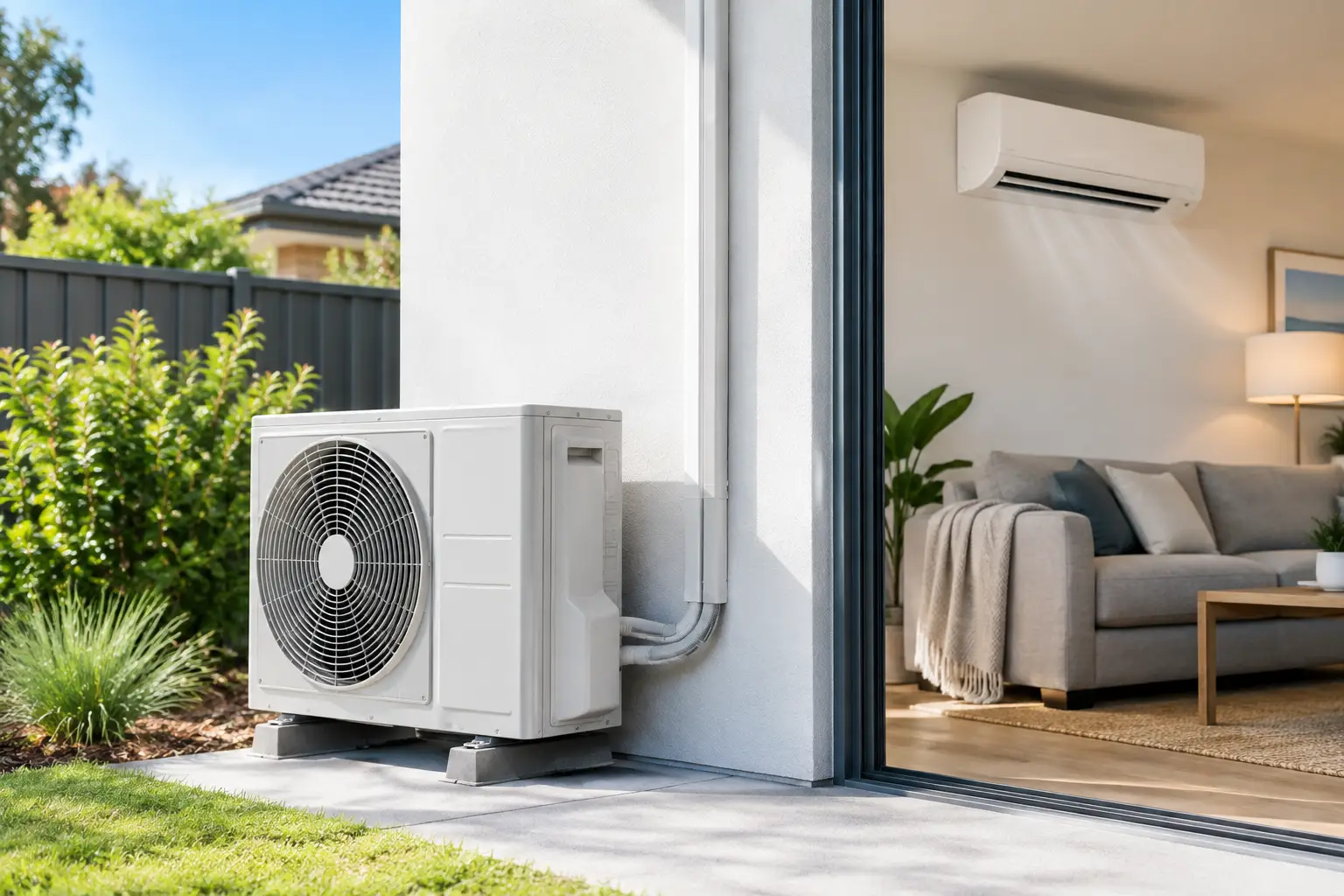
A split system has two main components: an indoor wall-mounted unit that delivers conditioned air and an outdoor unit that releases or gathers heat. In cooling mode, it moves heat out of the room. In heating mode, it reverses that process, drawing heat from outside air and bringing it indoors. This is why reverse-cycle air conditioning can be a highly efficient alternative to electric resistance heaters.
When reviewing a system, start with the outcome you need rather than the brand name or headline capacity. Ask which rooms need climate control, when they are used, how much afternoon sun they receive and whether doors are usually open. A 2.5 kW unit can suit a small, well-insulated bedroom, while an open-plan living space with high ceilings, west-facing glass and frequent family use may need considerably more capacity.
The unit itself is only half the equation. Professional sizing and installation have a direct effect on comfort, noise, energy use and reliability. Even a premium system can disappoint if it is undersized, poorly positioned or installed with shortcuts in the pipework and drainage.
Where split systems perform best
Split systems are particularly effective where you want focused, room-by-room comfort. They are a sensible choice for apartments, townhouses, home offices, bedrooms, extensions and smaller homes where installing ducts is impractical or unnecessary.
They also work well when your household does not use every room at the same time. Rather than heating or cooling an entire house, you can condition the lounge room in the evening or a bedroom overnight. This targeted approach can reduce wasted energy, especially when paired with sensible temperature settings and timers.
For renovations, a split system often has a simpler installation path than a full ducted design. There is no need to find ceiling space for extensive duct runs, and the indoor unit can be selected to suit the room layout. That said, wall space, outdoor-unit access and the route between the two units still need careful planning.
Capacity matters more than most buyers expect
Choosing capacity by room dimensions alone is risky. Floor area is a starting point, not a final answer. Ceiling height, insulation quality, window size, orientation, building materials, number of occupants and nearby heat-producing appliances all change the load on an air conditioner.
An undersized split system may run for long periods without reaching the set temperature. In summer, it can leave the room feeling warm and sticky; in winter, it may struggle on the coldest mornings. Constant operation can also increase electricity use and place unnecessary strain on the equipment.
Oversizing has drawbacks too. A unit that is too large can cool or heat a small room too quickly, cycling on and off rather than maintaining a stable temperature. This can affect comfort, efficiency and humidity control. The goal is not the biggest unit available. It is a properly matched system that can maintain comfort steadily in real conditions.
A qualified technician should assess the room and discuss your usage before recommending a capacity. This tailored approach is particularly valuable in older Melbourne and Geelong homes, where insulation and glazing can vary significantly from room to room.
Energy efficiency and running costs
Reverse-cycle split systems are known for efficient heating because they transfer heat rather than generate it directly. However, actual running costs depend on the model, the installation, electricity pricing and how the system is operated.
Look for a strong energy rating in both cooling and heating modes, but treat the rating as a comparison tool rather than a promise of a fixed bill. A highly rated unit in a poorly insulated room with doors open all day will still work harder than it should.
Inverter technology is another important feature. Rather than operating only at full power and then shutting off, an inverter system adjusts output to maintain the chosen temperature. This generally means quieter operation, more consistent comfort and less energy wasted through frequent starts and stops.
Daily habits matter as well. Setting cooling to around 24°C to 26°C in summer and heating to around 18°C to 20°C in winter is usually a comfortable, efficient starting point. Closing curtains during hot afternoons, sealing draughts and cleaning filters regularly can make a noticeable difference without changing the system itself.
Features worth paying for - and features to weigh up
Wi-Fi control can be genuinely useful for busy households. It lets you set schedules, check settings from your mobile and start the system before arriving home. For some properties, smart controls also make it easier to prevent the air conditioner running unnecessarily when everyone is out.
Quiet mode is worth considering for bedrooms, nurseries and studies. Noise ratings vary between models and fan speeds, so it is sensible to consider both indoor and outdoor noise, particularly where neighbours are close by.
Air filtration features can improve everyday comfort, especially when filters are maintained, but they should not be confused with a complete air purification solution. The most useful features are often the simplest: reliable temperature control, an easy-to-use controller, effective timers and clear error reporting when service is needed.
Pay attention to warranty terms as well. A longer manufacturer warranty can offer reassurance, but it does not replace regular servicing or correct installation. Keep service records and follow the manufacturer’s care guidance to protect performance over time.
Installation quality shapes the whole experience
The indoor unit needs a position that distributes air across the room without blowing directly onto where people sleep, sit or work. It should also be accessible for filter cleaning and servicing. The outdoor unit requires adequate airflow, a stable base and a location that manages noise, drainage and visual impact.
Pipework length and routing deserve attention. Longer runs, difficult access or a second-storey installation can add to cost, but the cheapest route is not always the right one. A neat, well-considered installation protects the system, supports efficient operation and helps the home retain its finished appearance.
Drainage is another detail that should never be treated as an afterthought. Condensate needs to be directed safely to prevent dripping, staining or moisture problems. Electrical work, mounting and refrigerant connections must also meet applicable standards. This is why licensed, experienced installation matters.
Servicing and signs your system needs attention
A split system does not need constant maintenance, but it does need routine care. Homeowners can clean or wash reusable filters as instructed, keep the outdoor unit clear of leaves and debris, and check that airflow feels normal. A professional service helps identify issues that are not visible from the outside, including refrigerant concerns, electrical faults, blocked drains and worn components.
Book a service or repair assessment if the unit is not heating or cooling properly, is leaking water, smells unusual, makes new noises, trips the power or shows an error code. Acting early can often prevent a smaller fault from becoming a more disruptive breakdown during a heatwave or cold spell.
Is a split system the right choice for your property?
A split system is usually the right fit when you need efficient comfort in one or a few key rooms, want a practical option for a renovation, or prefer to control temperatures zone by zone. A multi-split system may suit several rooms where outdoor space is limited, while ducted air conditioning can make more sense for whole-home comfort and a concealed finish.
The best decision is based on how your home is lived in, not on a one-size-fits-all recommendation. Before committing, arrange a professional assessment that considers your rooms, layout, energy priorities and budget. Air Con Solutions can help turn those details into a tailored heating and cooling solution that feels comfortable every day, not just on installation day.