
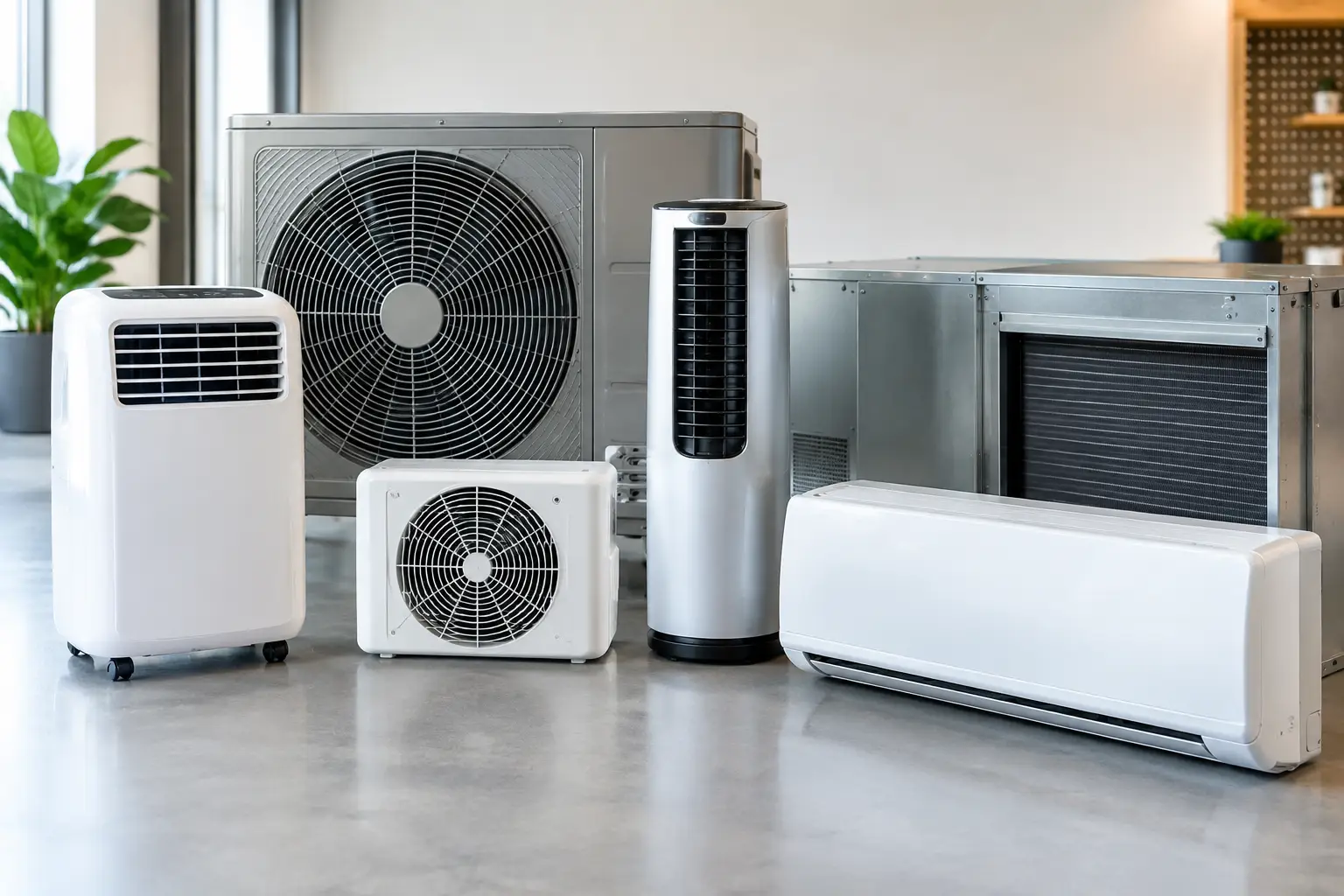
A warm shop can shorten browsing time, affect staff productivity and put temperature-sensitive stock at risk. The right shop cooling systems do more than lower the temperature on hot days - they create a comfortable, consistent environment that supports the way your business operates.
For retail stores, salons, studios, showrooms and other light commercial spaces, the best choice depends on far more than floor area. Ceiling height, sun exposure, customer traffic, equipment heat and the layout of the shop all affect how a system will perform. A tailored assessment helps avoid the common problem of installing a unit that looks adequate on paper but struggles when the shop is busy.
Why cooling needs to suit the way your shop works
A small boutique with large west-facing windows has very different cooling demands from a compact takeaway venue or a quiet professional office. Glass frontage can bring substantial heat into a space, while lighting, refrigeration, computers and people add to the load throughout the day.
Opening doors also matter. In busy trading periods, conditioned air can escape quickly as customers move in and out. If your system is undersized, it may run continuously without reaching the selected temperature. If it is oversized, it can cool the space too quickly, cycle on and off more often, and leave the air feeling less comfortable.
The goal is not simply maximum cooling. It is even temperatures, manageable running costs and dependable performance during a Victorian heatwave. That means considering the whole shop, not just choosing the biggest unit that will fit on the wall.
Common shop cooling systems and where they fit
Wall-mounted split systems
A split system pairs an indoor wall unit with an outdoor condenser. It is often a practical option for smaller shops, treatment rooms, individual offices and spaces with a straightforward layout. Modern reverse-cycle split systems can also provide heating, which can simplify year-round comfort for a small business.
The trade-off is coverage. One wall-mounted unit may not cool a long, narrow shop evenly, particularly if shelving, partitions or display walls interrupt airflow. Larger or unusually shaped premises may need multiple units or a different approach.
Multi-split systems
A multi-split setup connects several indoor units to one outdoor unit. This can suit a shop with separate rooms, such as a salon with treatment areas, a retail store with a rear office, or a business where different zones have different operating hours.
It offers more control than a single split system, but the design needs to be carefully planned. Indoor unit placement, pipe runs and the capacity of the outdoor unit all influence performance. It is not always the lowest-cost installation, yet it can be a sensible option where targeted comfort is more valuable than cooling every area in the same way.
Ducted air conditioning
Ducted systems distribute conditioned air through ceiling ducts and outlets, making them a strong choice for larger retail spaces, fit-outs and premises where a clean visual finish matters. Supply outlets can be positioned to cover the shop floor more evenly, while the main equipment remains largely out of sight.
Zoning is one of the major advantages. You may be able to cool the customer area during trading hours while reducing conditioning in storage rooms, offices or spaces that are not in use. This can support lower energy consumption without sacrificing comfort where it matters.
Ducted air conditioning requires suitable ceiling space and professional design. In existing shops with layout constraints, access and duct routing can influence what is possible. An experienced installer can assess the building and recommend a practical solution rather than forcing a standard design into an unsuitable space.
Cassette and ceiling-mounted options
Ceiling cassettes can work well where wall space is limited or where air needs to be distributed broadly from a central point. They are commonly considered for open-plan commercial areas with suspended ceilings. Their suitability depends on the ceiling construction, available clearance and service access for future maintenance.
Getting the size right is more than square metres
Cooling capacity is often discussed in kilowatts, but floor size alone cannot determine the right system. A 60-square-metre shop with shaded windows and low customer traffic may require a very different solution from another 60-square-metre shop in full afternoon sun.
A professional assessment should account for ceiling height, glazing, insulation, orientation, local climate, heat-producing equipment and how many people regularly use the space. It should also consider the layout of displays and furniture. A unit can have enough capacity overall but still perform poorly if airflow is blocked or directed away from the occupied areas.
This is particularly relevant during renovations or new shop fit-outs. It is easier and usually more cost-effective to plan cooling early, before ceilings are closed and fixtures are fixed in place. For established premises, there are still effective retrofit options, but the system design should work with the building rather than against it.
Energy efficiency without compromising comfort
For many shop owners, energy use is a key concern. Air conditioning can be a significant operating cost, especially during long summer trading hours. Efficient equipment helps, but installation quality and daily settings have just as much impact.
Inverter technology allows many modern systems to adjust output as the room temperature changes instead of repeatedly running at full power. When correctly sized, this can improve comfort and reduce unnecessary electricity use. Look for a system with a strong energy rating that suits the demands of a commercial environment, rather than selecting purely on the initial purchase price.
Smart controls can make day-to-day management easier. Scheduling the system to start shortly before opening can prevent the shop from becoming uncomfortable, while avoiding hours of unnecessary operation overnight. Zoned ducted systems and smart temperature management can also reduce waste by conditioning only the areas that need it.
Small changes around the system make a difference too. Window coverings, door seals, sensible thermostat settings and clean filters all help the equipment work more efficiently. Setting the temperature extremely low does not cool the space faster - it simply makes the system run harder and may increase costs.
Airflow, appearance and customer comfort
The best system should feel almost unnoticed by customers. Cold air blowing directly onto a counter, waiting area or workstation can be uncomfortable, even when the room temperature is technically correct. Equally, a warm corner near the front windows can leave people with a poor impression of the space.
Indoor unit location should support balanced airflow without competing with signage, shelving or the overall shop design. In a showroom or premium retail setting, discreet ducted outlets may suit the aesthetic. In a smaller independent store, a well-positioned split system may provide an efficient and cost-effective result.
Noise is another consideration. Most modern systems operate quietly, but equipment selection and installation quality still matter. This is especially true for consultation rooms, beauty services, clinics and any business where a calm customer experience is part of the service.
Do not overlook servicing and maintenance
A cooling system tends to show problems on the hottest, busiest day of the year. Regular servicing reduces the chance of that happening. Dirty filters, blocked drains, worn components and refrigerant issues can affect cooling output, increase energy use and lead to unexpected breakdowns.
For a light commercial shop, maintenance should include cleaning filters, checking drainage, inspecting electrical components, testing system operation and confirming the unit is delivering appropriate airflow. The right schedule depends on how heavily the system is used and the conditions in the premises. A shop near a busy road, for example, may collect more dust than a low-traffic office.
If you notice weak airflow, unusual noises, water leaks, odours or a system that takes too long to cool, arrange a repair inspection early. Continuing to run a struggling unit can turn a smaller issue into a more disruptive failure.
Choosing an installer for your shop
Commercial cooling should be designed around your space, trading pattern and priorities. Ask whether the proposed system accounts for heat load, airflow, future servicing access and the possibility of zoning. A clear proposal should explain what is being installed, where it will go and why it suits the premises.
Air Con Solutions provides tailored installation, repair and maintenance support for light commercial cooling, helping business owners make confident decisions without unnecessary technical jargon. Whether you are fitting out a new shop or replacing an unreliable older unit, professional advice can help you balance comfort, appearance and running costs.
A well-designed cooling system lets your customers focus on your products and service, not the temperature in the room. Arrange an assessment before summer demand arrives, and give your shop a more comfortable, dependable place to do business.