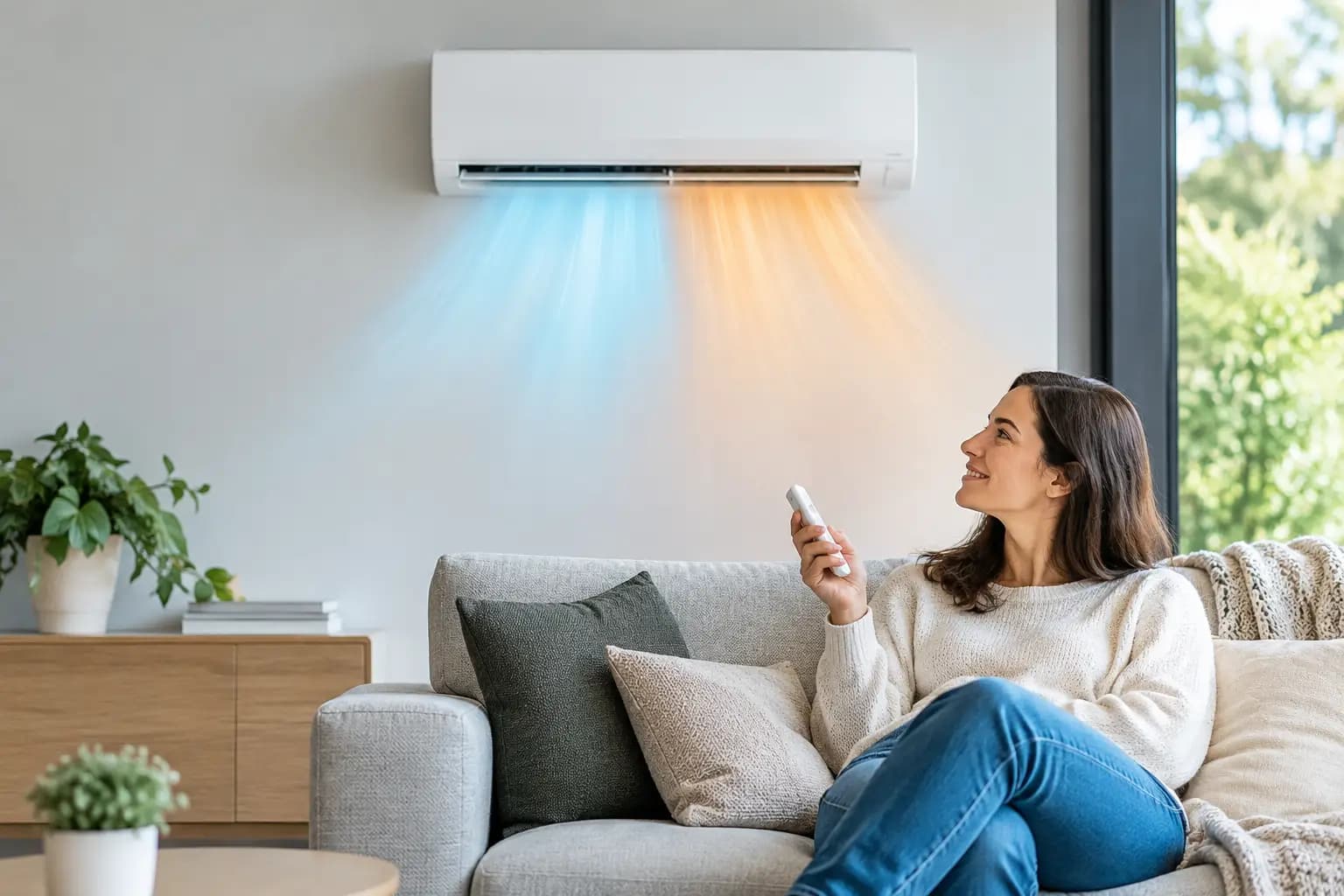
A cold Melbourne morning and a hot afternoon can arrive in the same week, sometimes the same day. That is why reverse cycle aircon has become a practical choice for homeowners who want one system to manage comfort through every season. Rather than installing separate heating and cooling equipment, a reverse cycle unit can deliver both from the same indoor system.
The right result, however, comes down to more than choosing a well-known brand or the biggest unit available. Your home’s layout, insulation, room usage and the quality of installation all affect how comfortable and efficient the system will be.
What is reverse cycle aircon?
A reverse cycle air conditioner works by moving heat, rather than creating it through a heating element. In cooling mode, it takes heat from inside your home and releases it outdoors. In heating mode, it reverses that process, drawing heat from the outside air and bringing it indoors.
Even when it feels cold outside, there is still heat available in the air for a quality system to use. This makes reverse cycle technology an efficient option for many Victorian and NSW homes, particularly compared with electric resistance heaters that generate heat directly.
Most systems include an outdoor unit and one or more indoor units. A wall-mounted split system is often suited to a single room or open-plan area. A ducted reverse cycle system uses concealed ductwork and ceiling outlets to condition multiple rooms from one central unit. Both options can provide reliable year-round comfort when they are correctly selected and installed.
Why homeowners choose reverse cycle systems
The obvious benefit is convenience. One professionally installed system can cool your home in summer and warm it in winter, reducing the need for portable heaters, fans and multiple appliances competing for space and power points.
Energy efficiency is another major reason. Reverse cycle air conditioning can produce several units of heat for every unit of electricity it uses, although real-world performance depends on the outdoor temperature, unit efficiency, thermostat settings and the home itself. A draughty, poorly insulated house will still need more energy to stay comfortable than a well-sealed one.
Reverse cycle aircon also gives you more control. Modern units offer programmable timers, adjustable fan speeds and, in many cases, smart controls that can be managed from a mobile. With a zoned ducted system, you may be able to condition the rooms you are using while leaving guest rooms or unused areas off. That can make a meaningful difference to running costs for larger homes.
For households concerned about indoor air quality, many systems include filters that help capture dust and airborne particles. Filters are not a substitute for cleaning, ventilation or professional advice on air quality concerns, but routine filter maintenance can help your system operate more effectively.
Split system or ducted reverse cycle aircon?
This decision should start with how you live in the property, not just the initial purchase price.
Split systems for targeted comfort
A split system is often a cost-effective answer when one room needs the most attention. This may be a living area that gets afternoon sun, a main bedroom that is difficult to sleep in during summer, or a small office where comfort affects daily productivity.
Multi-head split systems can connect several indoor units to one outdoor unit, but they are not automatically the best answer for every home. Installation pathways, available outdoor space, room sizes and the way you use each room should all be assessed first.
Ducted systems for whole-home control
Ducted reverse cycle air conditioning is designed for a more integrated whole-home solution. Outlets are positioned throughout the home, while the indoor fan coil and ductwork are generally hidden in the roof space. The result is a clean finish without wall units in each room.
Zoning is especially valuable in ducted systems. A family may run the living zone during the day and bedrooms at night, rather than conditioning the entire home continuously. The trade-off is that ducted systems usually require a higher upfront investment and suitable roof space. They also need careful design to ensure airflow reaches each area properly.
For renovations, new builds and homes with challenging layouts, a tailored system design can prevent common issues such as hot upstairs rooms, weak airflow at the end of a duct run or oversized equipment cycling on and off too frequently.
Getting the size right matters more than most people expect
An air conditioner that is too small may run for long periods without reaching a comfortable temperature. One that is too large can reach the thermostat setting too quickly, then cycle repeatedly. This can waste energy, create uneven temperatures and reduce humidity control when cooling.
Sizing is not simply a matter of floor area. A professional assessment should consider ceiling height, window size and orientation, insulation, construction materials, shading, room layout, occupants and heat-producing appliances. A north- or west-facing living room with large glazing has very different demands from a shaded bedroom of the same size.
For ducted systems, the design also needs to account for duct lengths, outlet placement, return-air location and zoning requirements. This is where experienced advice pays off. Capacity on paper is only one part of a system that needs to perform well in the real home.
How to keep running costs under control
Reverse cycle systems are efficient, but they are not free to run. Small habits have a direct impact on power use and comfort.
In summer, setting the thermostat excessively low makes the system work harder without necessarily making the room feel better. In winter, a moderate setting helps avoid unnecessary consumption. As a general guide, aim for a comfortable, steady temperature rather than constantly changing the setting to chase quick results.
Close doors and windows when the system is operating, use curtains or blinds to reduce heat through glass, and take advantage of zoning where available. Cleaning filters regularly is also essential. Blocked filters restrict airflow, forcing the unit to work harder and potentially affecting its lifespan.
If your electricity plan includes time-of-use pricing, scheduling can be useful too. Pre-conditioning a room before peak temperatures or high-tariff periods may be more economical than asking the system to recover later. The best approach depends on your household routine, energy plan and how well your home retains heat or coolth.
Installation quality affects comfort and reliability
A high-quality system can underperform if it is poorly installed. Indoor and outdoor unit locations matter, as does correct refrigerant piping, condensate drainage, electrical work and commissioning.
The outdoor unit needs adequate airflow and a position that balances performance, access for servicing and noise considerations. The indoor unit should be located to distribute air effectively rather than blowing directly into a corner or being blocked by furniture. With ducted installations, careful planning is needed before ceilings are closed or renovation works progress.
Once installed, the system should be tested in heating and cooling modes and the controls explained clearly. You should know how to clean the filters, operate zones or timers, and recognise signs that the unit needs attention.
Servicing protects your investment
Most reverse cycle issues do not begin as sudden breakdowns. Reduced airflow, unusual noises, water leaks, inconsistent temperatures or rising energy use can all point to a problem developing over time.
Routine servicing gives a technician the chance to inspect filters, electrical connections, drainage, airflow and overall operation before a minor fault becomes an uncomfortable emergency. It is particularly worthwhile before summer or winter, when systems tend to work hardest.
If your system is no longer heating or cooling effectively, avoid repeatedly resetting it or ignoring warning signs. Booking a qualified technician early can help identify whether the issue is a maintenance need, a component fault or a system that is no longer suited to the property.
A reverse cycle system should make home comfort feel straightforward, not like another job on the list. With thoughtful system selection, professional installation and regular care, it can provide dependable heating and cooling for years. If you are planning an upgrade or dealing with inconsistent comfort, Air Con Solutions can help assess a tailored option that suits your home and how you use it.