
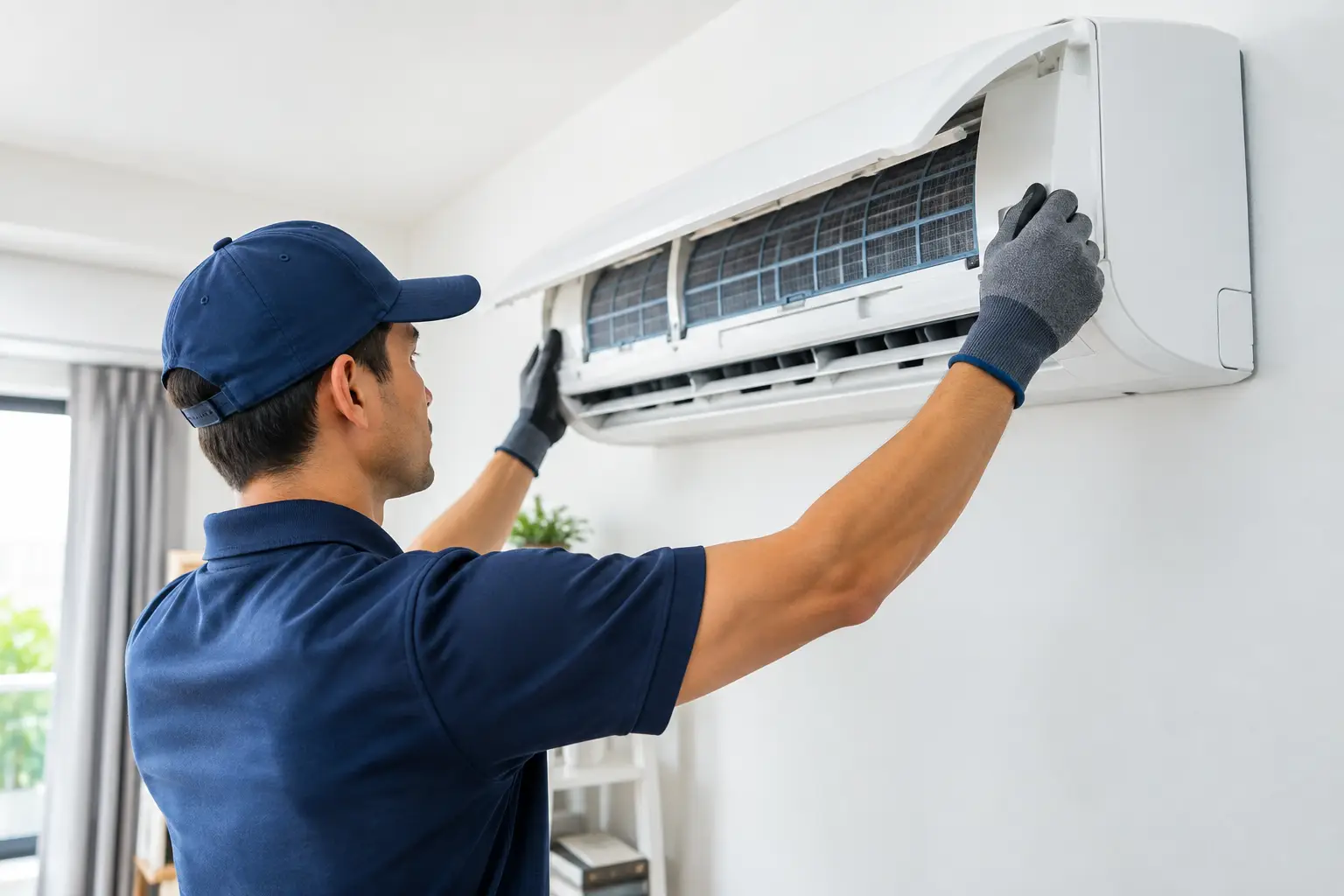
A new air conditioner can look like a straightforward purchase until it has to cool the back bedrooms, fit around roof space limitations, drain correctly and stay economical through a Melbourne heatwave. The real professional aircon installation benefits are felt long after installation day: steadier comfort, fewer surprises and a system that performs as it was designed to.
For homeowners, renovators and small business operators, professional installation is not simply about mounting a unit and switching it on. It is the work that connects system selection, property layout, electrical safety, airflow and smart control into one reliable solution.
Why professional aircon installation benefits matter
Air conditioning systems are only as effective as their design and installation. A quality system can still struggle if it is too large, too small, poorly positioned or connected to ductwork that does not suit the building. That can mean rooms that are too warm in summer, cold spots in winter, higher power bills and unnecessary strain on components.
An experienced installer starts by looking at how your property is actually used. The number of occupants, window orientation, insulation, ceiling height, open-plan areas and the rooms that receive the strongest afternoon sun all affect the right solution. This assessment helps match the system capacity and layout to your day-to-day needs rather than relying on a one-size-fits-all recommendation.
It also prevents a common misconception: bigger is not always better. An oversized system may reach the target temperature quickly but cycle on and off more often, reducing efficiency and making comfort less consistent. An undersized system can run for long periods without keeping up. The best result is a correctly sized unit installed with the right airflow path.
Better efficiency starts with correct design
Energy efficiency is shaped by more than the star rating on a brochure. The location of indoor and outdoor units, refrigerant line lengths, duct design, insulation and controls can all influence how hard a system has to work.
For a split system, an installer will consider where the indoor unit can deliver air across the room without blowing directly onto the sofa, bed or work desk. The outdoor unit needs adequate clearance and ventilation, while remaining practical to service. It should also be positioned with noise, weather exposure and neighbours in mind.
With ducted air conditioning, careful planning matters even more. Duct runs need to suit the roof space and room layout, with outlets placed to distribute conditioned air effectively. Poorly planned ductwork can lose energy, create excessive noise or leave some rooms feeling neglected. A tailored design gives each part of the home a fairer share of heating and cooling.
Smart zoning can make a meaningful difference for larger homes. Instead of conditioning every room at once, you can cool the living area during the day and bedrooms at night. It is not the right answer for every property, as zoning adds upfront cost and needs to be designed properly, but it can reduce wasted energy where household routines vary from room to room.
Controls that suit real life
Modern controls make comfort easier to manage, particularly when paired with a properly installed system. Programmable settings, zoning and AirSmart-integrated solutions can help you set temperatures around your schedule rather than constantly adjusting the remote.
The value is practical. You can avoid cooling an empty home for hours, manage different comfort needs across zones and keep an eye on how the system is operating. Good installation ensures these features are configured clearly, so they add convenience instead of complexity.
Safety, compliance and protection for your property
Air conditioning installation involves electrical connections, condensate drainage and refrigerant handling. These are not areas to leave to guesswork. Incorrect work can create safety risks, water damage, poor performance and problems when the system requires servicing or a warranty claim.
Professional technicians understand the requirements that apply to the equipment and property. They use appropriate mounting, electrical isolation and drainage methods, and refrigerant work must be completed by appropriately licensed technicians. Details such as a correctly graded drain line may not be visible once the job is finished, but they are essential for preventing leaks and moisture issues inside walls or ceilings.
For commercial spaces, the stakes can be higher. Staff comfort, customer experience, operating hours and access constraints all need to be considered. A professional team can plan work around the space, minimise disruption and deliver a system that is practical to maintain.
A neater finish with fewer compromises
Most homeowners want effective heating and cooling without sacrificing the look or function of their home. Professional installers plan for practical details that are easy to overlook at the quoting stage: where pipework will run, how wall penetrations will be finished, where the outdoor unit can sit and how future access will work.
This is especially valuable during renovations or in homes with limited roof space, unusual layouts or heritage considerations. There may be more than one way to install a system, but not every option will provide the same appearance, service access or long-term reliability.
A trusted installer will explain the trade-offs before work begins. For example, the shortest pipe route may not be the neatest route, while moving an outdoor unit farther from a bedroom window may involve additional materials. Clear advice lets you make a confident decision based on comfort, appearance and budget.
Reliable performance and easier servicing
A correctly installed system is easier to diagnose and maintain over its working life. Accessible outdoor units, sensible pipework routes and properly labelled controls give technicians a better starting point when routine servicing or repairs are needed.
This matters because air conditioners need ongoing care. Filters should be cleaned, drainage checked and components inspected to keep the system operating efficiently. When the original installation has been completed to a high standard, service technicians can identify normal wear more quickly and help prevent smaller issues becoming expensive breakdowns.
Professional installation can also support your manufacturer warranty. Warranty conditions differ between brands, so it is worth checking the specific terms before purchase. However, manufacturers commonly expect their equipment to be installed and commissioned by qualified professionals. Keeping installation documentation and service records is a sensible step for any new system.
What a quality installation process should include
You should expect more than a quick measure and a price. A customer-focused installation process begins with a conversation about your property, comfort concerns, budget and preferred system type. From there, the installer should recommend a suitable capacity and explain where equipment and outlets will be placed.
Before the work starts, it helps to know the expected timeframe, any access requirements and whether there may be additional electrical or building work. On installation day, the team should protect the work area, complete the required connections, test system operation and show you how to use the controls.
The final handover is an important part of the job. Ask how to clean filters, when to book servicing and what signs could indicate a problem. A good provider will give clear answers rather than leaving you with a remote and a manual.
Choosing the right installation partner
Price matters, but it should not be the only comparison point. A very low quote can leave out essentials such as electrical upgrades, suitable mounting, drainage work or commissioning. Request an itemised scope so you understand what is included and what could incur an extra charge.
Look for experience with the kind of system and property you have, whether that is a wall-mounted split, ducted system or a smart zoned setup. It is also worth choosing a provider that can support the system after installation. Having one team for installation, servicing and repairs makes ongoing care simpler and gives you a clearer history of the equipment.
For households across Victoria and NSW, Air Con Solutions brings more than 15 years of hands-on experience to tailored heating and cooling solutions. The focus is on helping you choose a system that suits the way you live, then installing it for dependable everyday performance.
Your air conditioner should make home or work feel more comfortable, not add another maintenance concern to the list. Arrange a professional assessment before committing to a system, and you can move forward knowing the comfort, efficiency and installation details have been considered together.