
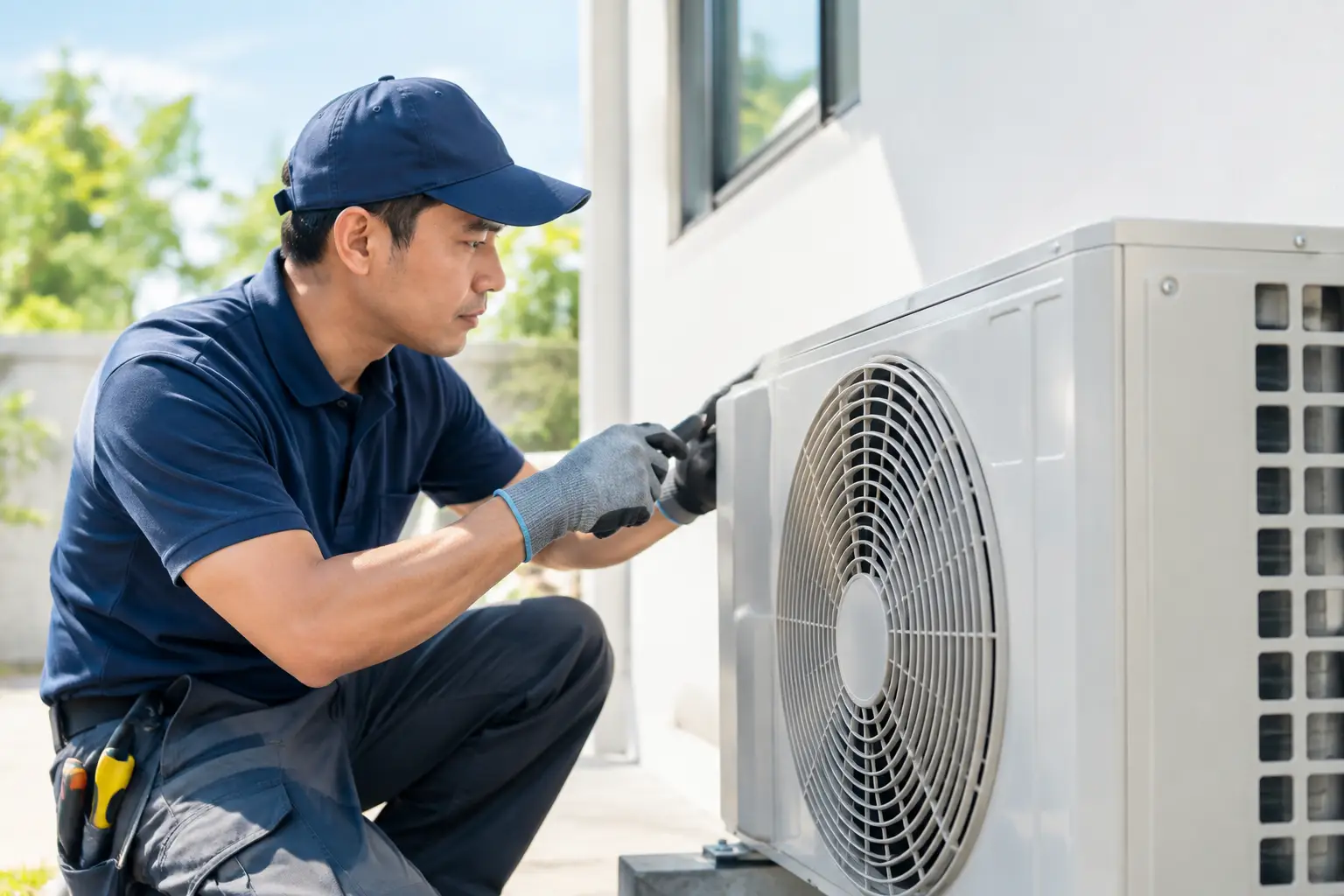
A Melbourne heatwave is a poor time to find out your air conditioner is struggling. Knowing how to prepare aircon for summer before the first run of hot days gives your system the best chance of delivering reliable, efficient comfort when your home needs it most.
A few simple checks can make a noticeable difference, especially if your system has been sitting idle through winter. For anything involving electrical components, refrigerant, drainage faults or a persistent performance issue, a qualified technician is the right next step.
Why summer preparation matters
Air conditioners work harder when outdoor temperatures climb and your home has been storing heat all day. A system with a blocked filter, restricted outdoor unit or minor fault may still turn on, but it can take longer to cool rooms, use more electricity and place unnecessary strain on key components.
Early preparation gives you time to address small issues before they become an urgent repair. It also helps families, home workers and small businesses avoid the disruption of losing cooling during a hot spell, when service demand is often at its highest.
For ducted air conditioning, summer preparation is also about how the whole home performs. Clean airflow, sensible zoning and a well-set controller can reduce the tendency for some rooms to feel cold while others remain uncomfortable.
Your pre-summer aircon checklist
Start your checks on a mild day, rather than waiting for a 35-degree afternoon. Set the system to cooling, select a temperature around 23 to 25 degrees, and allow it time to run. Your aim is not to make the house freezing cold. It is to confirm that the system cools steadily, responds to its controls and operates without unusual behaviour.
Clean or replace the filters
Filters collect dust, lint, pet hair and other airborne particles. When they become clogged, the system cannot move air as freely. That can reduce cooling performance, increase running costs and leave indoor units working harder than they should.
Most split-system filters can be removed and gently vacuumed or washed, provided the manufacturer permits it. Make sure they are completely dry before reinstalling them. Ducted systems may have return-air filters that need cleaning or replacement, depending on the setup.
If you are unsure where the filters are, or they look damaged, do not force panels or components. A professional service can confirm the correct filter type and make sure the unit is reassembled properly.
Check the outdoor unit has room to breathe
The outdoor condenser needs clear space to release heat. Leaves, grass clippings, spider webs, stored boxes and overgrown plants can restrict airflow around the unit, particularly after winter and spring growth.
Clear loose debris from around the unit and trim vegetation back carefully. Avoid bending the delicate fins or spraying water into electrical areas. If the coil looks heavily soiled, the casing is damaged, or the unit is making a loud rattle, arrange a service rather than attempting a deep clean yourself.
For homes near coastal areas or busy roads, outdoor units can collect salt, grime and fine dust more quickly. Regular professional cleaning may be worthwhile where build-up is a recurring issue.
Test cooling, airflow and controls
Once the air conditioner has been running for 10 to 15 minutes, check whether cool air is reaching the rooms you expect. With a split system, listen for knocking, buzzing or repeated clicking. With ducted air conditioning, walk through the home and check airflow at each outlet.
Pay attention to signs that are easy to dismiss: weak airflow, a musty smell, warm air in cooling mode, water dripping indoors, frequent cycling or a controller that does not hold its settings. These issues do not always mean the system needs replacing, but they do warrant diagnosis before hotter weather arrives.
If you use a smart controller or AirSmart-integrated setup, check the schedule, zones and app connection now. A schedule left over from winter can waste energy or leave your home warmer than expected when you arrive back in the afternoon.
Inspect vents, outlets and drainage
Furniture, curtains and rugs should not block return-air grilles or wall-mounted indoor units. Air needs a clear path through the system to circulate effectively. In ducted homes, make sure outlets are open in the rooms you intend to cool and that nothing is covering them.
Also look for staining or moisture around the indoor unit. Air conditioners remove humidity as they cool, and that water needs to drain away correctly. A blocked condensate drain can lead to drips, odours and water damage if ignored.
Set temperatures for comfort and efficiency
Lower is not always better. Setting an air conditioner to 18 degrees does not cool the room faster than setting it to 24 degrees. It simply asks the system to run for longer, which can increase energy use and make the space uncomfortably cold.
For many homes, a cooling setting between 23 and 25 degrees provides a comfortable balance. The ideal setting depends on the building, insulation, sun exposure, number of occupants and your personal preference. A west-facing living area with large windows may need more help in the late afternoon than a shaded bedroom.
Use ceiling fans alongside air conditioning where possible. They help circulate cooled air and can allow you to choose a slightly higher temperature setting without compromising comfort. Closing blinds or curtains before direct sun hits also reduces the heat your system needs to remove.
Use ducted zones with purpose
Zoning is one of the most practical advantages of a ducted system, but only when it matches how you use the home. Cooling empty bedrooms all day or running every zone for one person working from home can add unnecessary load.
On the other hand, closing too many zones can affect airflow and system performance on some installations. The best approach depends on the size and design of your ducted system. If you are uncertain, ask a technician to explain the most efficient operating pattern for your home.
When a service is the sensible option
Cleaning filters and clearing the outdoor area are useful homeowner tasks. A professional air conditioning service goes further by checking electrical connections, refrigerant performance, fan operation, coils, drainage, safety controls and overall system condition.
Consider booking a service before summer if your system is more than a year old, has not been maintained recently, is cooling unevenly or has become noticeably noisier. It is also worthwhile after renovations, extended building work or a period when the system has barely been used.
Older systems need an honest assessment rather than a one-size-fits-all answer. A repair may be the most cost-effective option when the issue is isolated and the unit is otherwise performing well. If breakdowns are becoming frequent, energy bills are rising and cooling remains inconsistent, a tailored replacement may offer better long-term value.
For homeowners with constrained roof space, challenging layouts or rooms that never seem to cool properly, system design matters as much as the unit itself. The right capacity, outlet placement, zoning and smart controls can improve everyday comfort without overcomplicating the solution.
Prepare your home as well as the system
Your air conditioner is only one part of summer comfort. Close windows and external doors while cooling is running, seal obvious gaps around doors, and shade sun-exposed glass where practical. These small measures reduce heat gain and help your system maintain a stable indoor temperature.
If you are heading away over summer, avoid leaving the system running continuously unless there is a specific reason to do so. Instead, use timers or smart scheduling to bring the home to a comfortable temperature closer to when you return. For pets, sensitive equipment or occupied business premises, the right setting will depend on the space and its needs.
A pre-summer service is a simple way to protect comfort when the forecast turns hot. Air Con Solutions can assess your system, identify issues early and help you get more reliable cooling from the setup already in your home. Book before the heat settles in, then enjoy the season knowing your aircon is ready to do its job.