
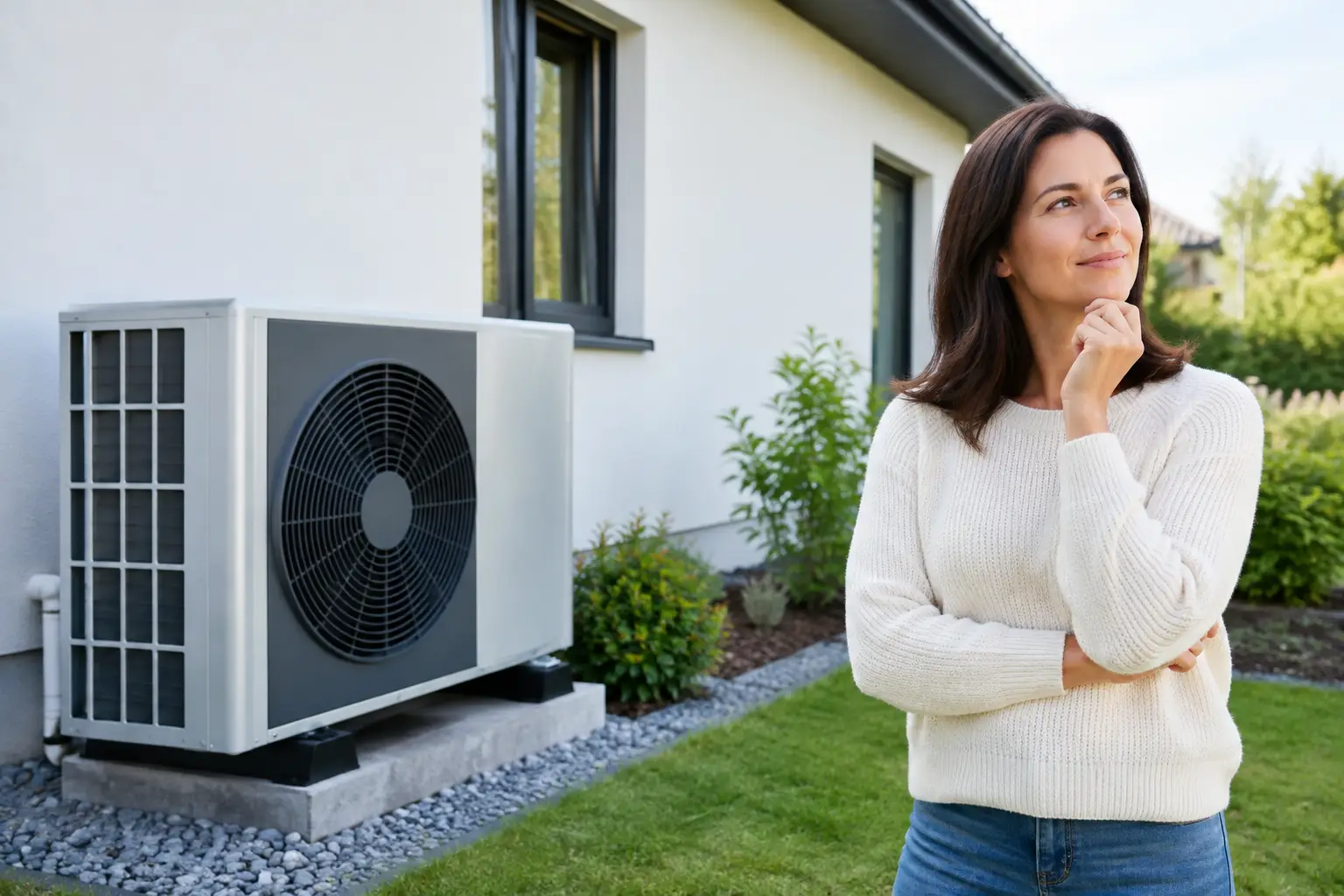
A cold Melbourne morning can expose the limits of an older gas heater, while a run of hot summer nights can make a tired cooling unit feel just as inadequate. That is why heat pump adoption is gaining attention among homeowners who want one efficient system to manage comfort across every season.
For most households, a heat pump is not an unfamiliar new appliance. Reverse-cycle air conditioning is a type of heat pump. It moves heat rather than creating it by burning fuel, delivering cooling in summer and efficient heating in winter from the same system. The practical question is not whether heat pumps work. It is whether the right system has been selected, designed and installed for your home.
Why heat pump adoption is growing
Rising energy costs have made running costs a bigger part of the buying decision. A reverse-cycle system can produce several units of heat for each unit of electricity it uses because it transfers available heat from outside air indoors. Even on cold days, there is heat in the air for a quality system to draw on.
That efficiency can make a meaningful difference compared with older electric resistance heaters, portable heaters and ageing systems that have not been maintained. It also gives households a way to heat and cool with a single appliance, rather than operating separate systems with different controls and service needs.
The appeal goes beyond the power bill. A properly designed heat pump can provide steadier indoor temperatures, zoned control and smart scheduling. Instead of heating every room at once, you can focus comfort where it is needed - a living area in the evening, bedrooms before sleep, or selected rooms in a small workplace.
For homes considering solar, heat pumps can be particularly worthwhile. Cooling or heating during daylight hours may allow a household to use more of its own solar generation. Results will depend on system size, weather, insulation, household routines and electricity tariffs, but the combination is worth assessing as part of a wider energy plan.
What heat pump adoption looks like in Australian homes
Heat pump adoption does not mean every property needs the same equipment. The best option depends on the home’s layout, insulation, number of occupants and how people use each space.
Split systems for targeted comfort
A reverse-cycle split system suits a single room or open-plan zone, such as a main living area, bedroom or home office. It can be a sensible choice when you want to replace a room heater, add cooling to a space that overheats, or improve comfort without major building work.
For a compact home or apartment, one or two well-positioned split systems may be all that is needed. Placement matters. An indoor unit should circulate air freely and be sized for the room, not simply chosen by the lowest upfront price.
Ducted heat pumps for whole-home control
Ducted reverse-cycle systems are often the better fit for larger homes, renovations and households that want a discreet whole-home solution. Supply outlets can be integrated into ceilings, while zoning lets you condition different parts of the property separately.
A ducted design needs more planning than a wall-mounted unit. Ceiling space, return-air location, duct routes, outdoor-unit position and room-by-room load requirements all affect performance. Homes with unusual layouts, limited roof space or extensions may still be suitable, but they benefit from a tailored design rather than a one-size-fits-all quote.
Smart controls can make a ducted system easier to live with. Features such as schedules, temperature sensing and zoning help avoid conditioning empty rooms and give households more control over daily energy use.
The factors that determine comfort and running costs
The unit itself is only one part of the result. A premium system that is too small will run hard and struggle during temperature extremes. One that is unnecessarily large can cycle on and off more often, reducing comfort and efficiency. Correct sizing should account for more than floor area.
An experienced installer will consider ceiling height, window size and orientation, insulation, draughts, room use, occupancy, building materials and local conditions. A north-facing family room with large glass doors has very different cooling needs from a shaded bedroom, even if the rooms are the same size.
Insulation and air sealing deserve attention as well. Heat pumps work most effectively when the home holds onto conditioned air. Addressing gaps around doors, improving ceiling insulation and using appropriate window coverings can reduce the load on the system. These improvements do not replace professional system design, but they can improve its performance.
Outdoor-unit location is another practical detail. It needs adequate clearance for airflow, a stable base and a position that manages noise thoughtfully. Good installation also includes appropriate electrical work, correctly sized pipework, condensate drainage and commissioning. These details are not visible once the job is finished, but they affect reliability for years.
Common concerns about heat pumps
One concern is winter performance. Modern reverse-cycle systems are designed to operate in cold conditions, although capacity and efficiency can reduce as outdoor temperatures fall. This is why selecting a suitable model and capacity for the local climate matters. A system designed only around mild-weather performance may not deliver the same comfort on a sharp Victorian morning.
Another concern is noise. Indoor and outdoor units do create sound, but quality systems are generally quiet when correctly installed. Noise can become an issue if equipment is poorly located, mounted insecurely or forced to operate continuously because it is undersized. Discussing the placement before installation is especially useful in homes with close neighbours or outdoor entertaining areas.
Some households also worry about losing the familiar feel of gas heating. Heat pumps distribute warm air differently from a gas wall furnace or radiator, and there can be an adjustment period. The benefit is responsive, controllable heating alongside cooling in the same system. Zoning and sensible temperature settings usually make the experience more comfortable and economical.
Planning a heat pump installation
Before committing to a system, think about the comfort problem you are trying to solve. Are bedrooms too cold in winter? Is the living area difficult to cool? Are you renovating, replacing an unreliable unit or looking to reduce dependence on gas? A clear starting point helps an installer recommend the right approach.
It also helps to have a frank conversation about budget. The lowest installation cost is not always the lowest cost over the life of the system. A well-designed unit with the right capacity, zoning and controls may cost more initially but can provide better comfort and avoid costly changes later.
Ask how the system will be sized, where indoor and outdoor components will sit, whether electrical upgrades are needed, and how drainage and airflow will be managed. If you are considering available government incentives or energy programs, confirm current eligibility and requirements before making decisions, as these can change.
For existing systems, servicing should be part of the plan rather than an afterthought. Clean filters, clear drains, sound electrical connections and refrigerant checks where needed help the system operate efficiently. A sudden increase in running costs, weak airflow, unusual noise or inconsistent temperatures are good reasons to arrange a professional inspection early.
Making heat pump adoption work for your property
The strongest case for a heat pump is not a promise that one product suits every home. It is the opportunity to create reliable heating and cooling around the way your household actually lives. A targeted split system may suit one family perfectly, while another will benefit from a zoned ducted design with smart controls.
Air Con Solutions helps homeowners and light commercial customers assess these practical choices, from new installations to ongoing servicing and repairs. The goal is simple: dependable year-round comfort, with a system that fits the property and is straightforward to operate.
If you are weighing up a replacement or planning a renovation, start with a professional assessment of your rooms, layout and comfort priorities. The right advice before installation can turn heat pump adoption from a broad energy trend into a lasting improvement you notice every day.