A ducted system that struggles through a Melbourne heatwave or leaves bedrooms cold on a winter morning is more than an inconvenience. It can mean higher running costs, uneven comfort and another unexpected repair bill. This ducted system replacement guide explains when an upgrade makes sense, what to assess before choosing a new unit and how to plan a replacement that suits your home.
When should you replace a ducted system?
Age is a useful starting point, but it is not the only factor. A well-maintained ducted system can provide many years of dependable service, while a neglected system may decline much earlier. If your system needs frequent repairs, takes a long time to reach the set temperature or has become noticeably expensive to run, it is worth arranging a professional assessment.
Replacement is often the better long-term option when a major component fails in an older unit. This may include the compressor, indoor fan motor or control board. A repair may restore operation, but it does not address the wear across the rest of the system or the efficiency gap between older technology and a current model.
Pay attention to comfort changes as well. Hot and cold rooms, weak airflow, excessive noise, unpleasant smells and poor humidity control can all point to problems with the unit, ductwork or system design. Some issues can be repaired. Others show that the existing setup is no longer right for the way you use your home.
Repair or replacement: make the decision with the full picture
It is sensible to repair a newer system with an isolated fault, especially if it has been serviced regularly and still performs efficiently. Replacing a low-cost part can be a practical way to extend its service life.
The calculation changes when breakdowns are recurring or the repair is substantial. Consider the quoted repair cost alongside the system’s age, its energy use, the availability of compatible parts and whether it delivers reliable heating and cooling to every area you need. If one repair is likely to be followed by another, investing in a new system can offer better value and greater peace of mind.
A qualified technician should inspect more than the unit itself. They should look at airflow, duct condition, return-air capacity, zoning, controls and the layout of your property. This gives you a clearer recommendation than simply replacing like for like.
Start with how your household uses heating and cooling
The right replacement is not always the largest unit or the same capacity as the old one. Families change, renovations alter heat loads and insulated windows or ceiling insulation can reduce the demand on your air conditioning. Conversely, a new open-plan extension, west-facing glazing or a home office used all day may require a different approach.
Before requesting a quote, think about the rooms you want conditioned, the times they are occupied and any ongoing comfort concerns. For example, you may want bedrooms cooler overnight while limiting the conditioning of unused living areas. You may need consistent temperatures for a small commercial space, or you may simply be tired of the whole house running when only one zone is in use.
These details help an installer design a tailored solution rather than recommending a standard package. Proper sizing matters. An undersized system can run constantly without achieving comfort, while an oversized system may cycle too often, waste energy and feel less consistent.
Factors that affect system sizing
A professional load assessment considers more than floor area. Ceiling height, orientation, insulation, window size, shading, occupancy and local climate all affect the capacity your home needs. The number of zones, duct lengths and the condition of your roof space also influence the final design.
This is particularly relevant in Victorian homes, where a system may need to manage both sharp winter mornings and very hot summer afternoons. A site inspection allows these practical factors to be considered before installation begins.
Choose an efficient ducted system and controls that suit you
Modern reverse-cycle ducted systems can provide efficient heating and cooling from one solution. Energy ratings are a useful comparison point, but they should not be viewed in isolation. A highly rated unit will only perform as expected when it is correctly sized, installed and commissioned.
Look for controls that make daily comfort simpler. Programmable schedules can reduce unnecessary operation, while zoning enables you to direct conditioned air where it is needed. Smart control options may also let you adjust temperatures from your mobile, monitor usage or build routines around your household schedule.
Zoning has real benefits, but it needs to be designed carefully. Too many small zones or incorrectly configured airflow can affect system performance. Your installer should explain which zones make sense for your layout and how many can operate together without compromising comfort.
If you are considering an AirSmart-integrated solution, ask how the controls will work with your selected unit, zones and existing home setup. The aim is straightforward, responsive temperature management rather than technology that adds complexity.
Do not overlook existing ducts, vents and return air
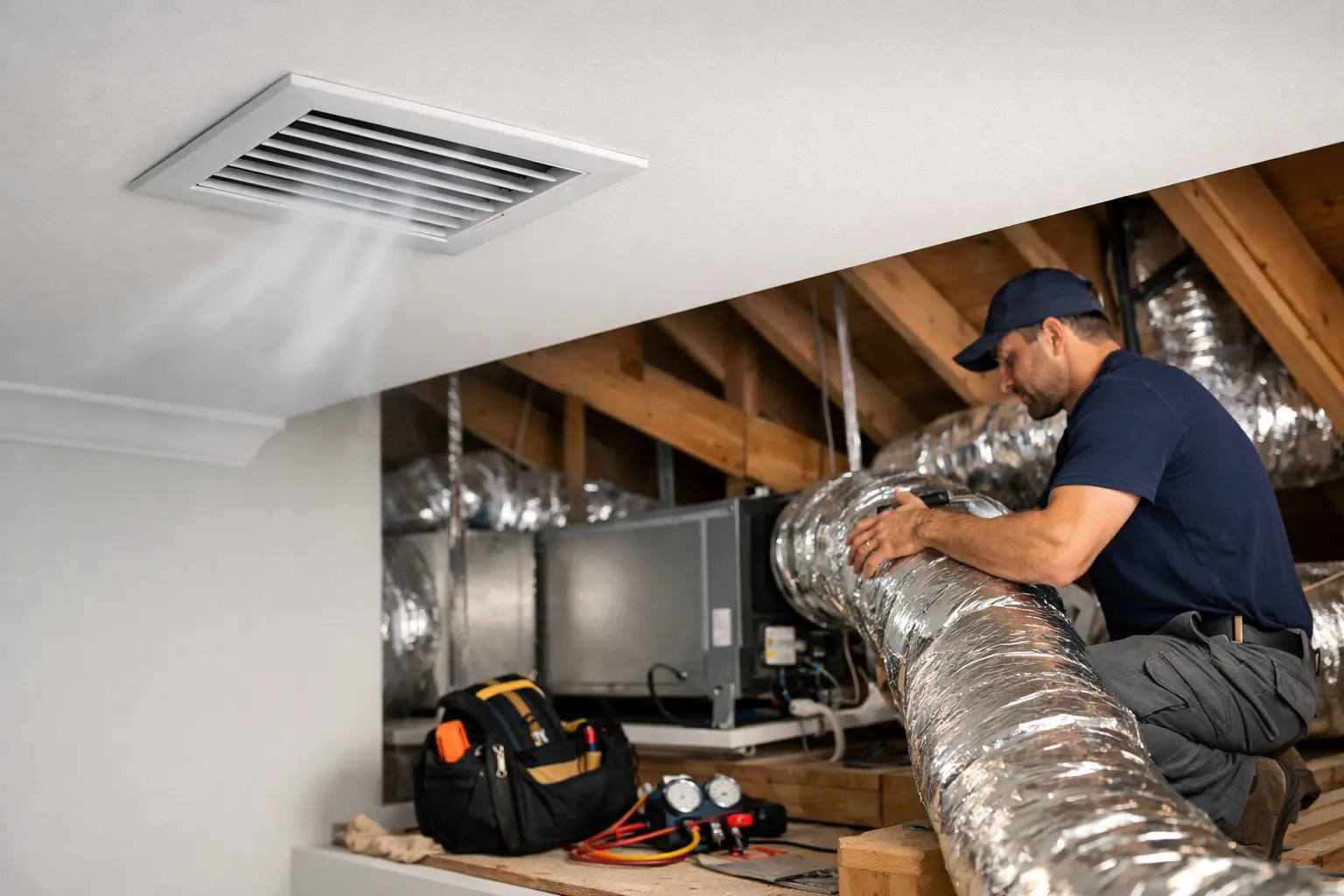
A new indoor and outdoor unit will not automatically fix poor airflow. Ducts can become damaged, disconnected, undersized or poorly insulated over time. Flexible ducting may sag in roof spaces, reducing airflow, while leaks can send conditioned air into areas where it does not help your comfort.
During a ducted replacement, your installer should assess whether existing ductwork can be retained, repaired or needs partial or full replacement. Reusing ducts can help manage project costs if they are in sound condition and correctly sized. However, keeping unsuitable ductwork may limit the performance and efficiency of your new unit.
Return-air design deserves equal attention. Your system needs a clear path to draw air back for conditioning. An inadequate return-air grille or restrictive filter arrangement can make a system noisier and reduce airflow. Small design details at this stage can make a noticeable difference once the system is running.
What happens during a ducted system replacement?
A well-planned replacement should feel organised and transparent. The process usually begins with an onsite assessment and a detailed quote that outlines the equipment, ductwork, zoning, controls and any electrical requirements. It is also the right time to discuss access to the roof space, outdoor-unit location and how the installation will fit around your home.
On installation day, the team will safely remove the old equipment and prepare the new indoor and outdoor components. Depending on the condition and design of your existing system, they may repair or replace ducts, update grilles, install zone motors and configure new controls. The exact duration depends on the property and scope of work, particularly where roof access is limited or renovations are involved.
Commissioning is a critical final stage. This is when the installer tests operation, checks airflow, confirms zones respond correctly and makes sure the controls are set up for you. Ask for a clear handover so you know how to use schedules, change modes, clean filters and recognise when a service is due.
Questions to ask before approving a quote
A good quote should give you confidence in the system, not leave you comparing model numbers alone. Ask whether the proposed capacity is based on a site assessment, whether the existing ducts have been inspected and what work is included to address any issues found.
It is also useful to clarify the number and layout of zones, the type of controller supplied, electrical work, removal of the old system and warranty arrangements. If energy costs are a key concern, ask how the recommended design supports efficient day-to-day use. The lowest upfront price may not represent the best outcome if important ductwork, controls or commissioning work has been excluded.
Protect your investment after installation
Even a new ducted system needs routine care. Clean or replace filters as recommended, keep the outdoor unit clear of leaves and debris, and book professional servicing at suitable intervals. Regular maintenance helps identify drainage, electrical and airflow issues before they become a loss of heating or cooling when you need it most.
A replacement is also a good opportunity to build better habits. Use realistic temperature settings, close doors and windows when conditioning is on, and use zoning to avoid treating empty rooms. These small choices can support comfort without placing unnecessary demand on the system.
When your current ducted unit is no longer delivering dependable comfort, a tailored assessment can turn a frustrating replacement decision into a confident upgrade. Air Con Solutions can help you assess the full system, select practical controls and plan an installation designed for comfortable, efficient living.