
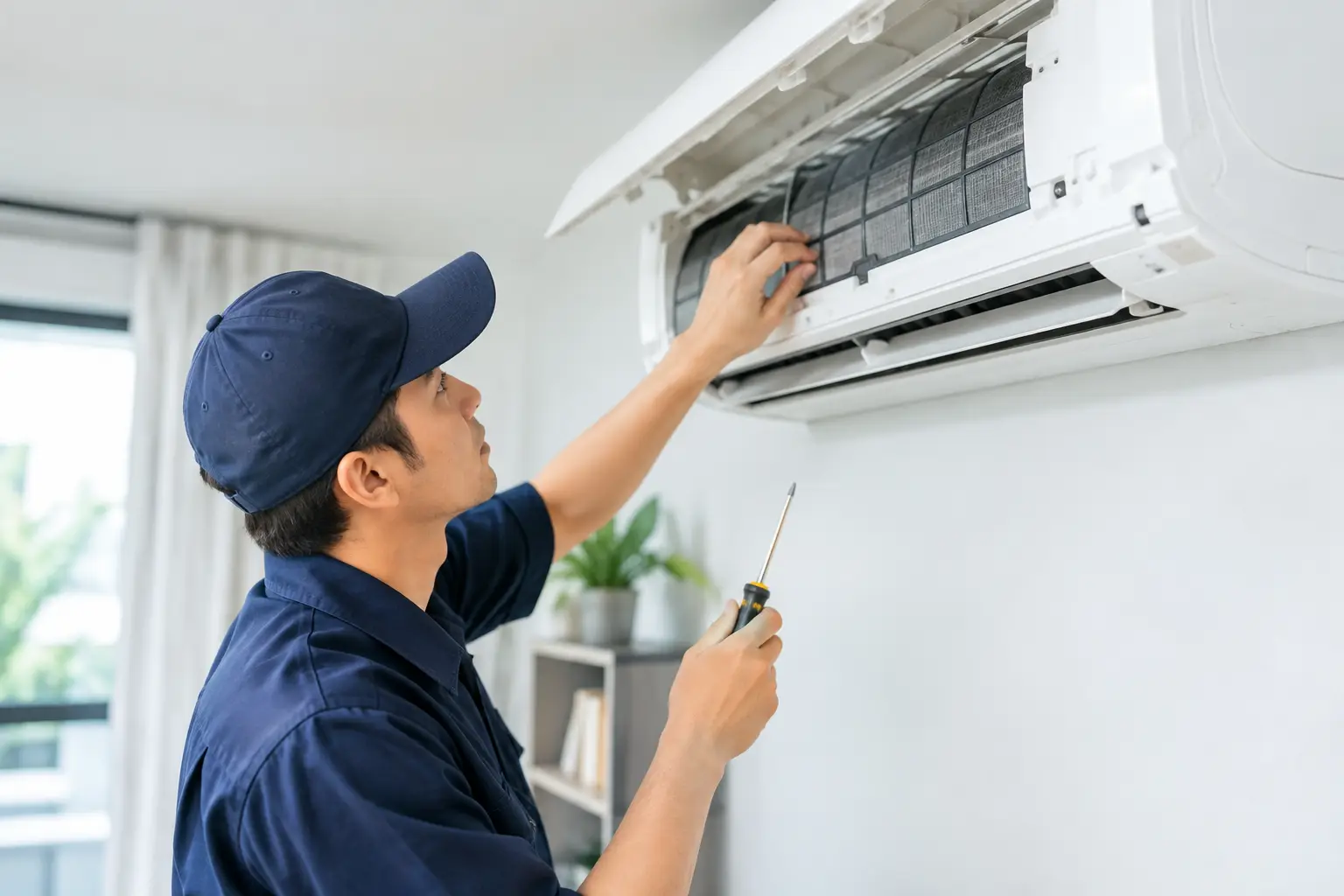
A system that takes longer to cool the lounge room, makes an unfamiliar noise overnight or pushes your power bill higher is trying to tell you something. Recognising aircon repair signs early can mean the difference between a straightforward fix and losing heating or cooling when you need it most.
For Melbourne, Geelong, Victoria and NSW homes, air conditioning works hard across hot summers, cold mornings and changeable shoulder seasons. Whether you have a split system, ducted air conditioning or a reverse-cycle unit, acting early helps protect comfort, efficiency and the lifespan of your equipment.
Aircon repair signs worth acting on
1. Weak or uneven airflow
If air is barely coming from the vents, or one room feels comfortable while another never reaches the set temperature, there may be more going on than a warm day. A dirty filter can restrict airflow, but so can a blocked duct, a failing fan motor, damaged ductwork or an issue with the indoor unit.
Start by checking whether accessible filters are clean and correctly fitted. If the problem remains after cleaning, or airflow has suddenly dropped, arrange a professional inspection. Ducted systems in particular need the full system assessed, not just the grille you can see.
2. Your home is not reaching the set temperature
When the remote is set to 22°C but the room stays stubbornly warm in cooling mode, or cold in heating mode, your air conditioner may be struggling to operate efficiently. Low refrigerant, a faulty compressor, sensor issues or restricted airflow can all affect performance.
A slight difference on an exceptionally hot or cold day can be normal, especially in large open-plan spaces or homes with significant sun exposure. But a system that regularly runs for hours without achieving comfortable conditions needs attention. Turning the temperature lower usually will not solve the underlying fault and can increase energy use.
3. Unusual noises during operation
Air conditioners are not silent, but you know the normal sound of your own system. Rattling can point to loose panels or mounting components. Grinding, squealing or scraping may suggest a worn motor, fan issue or bearing problem. Repeated clicking can also indicate an electrical or control fault.
Do not ignore a noise simply because the system still works. Mechanical components can deteriorate quickly once they begin to wear. Switch the unit off if the noise is loud, sudden or accompanied by a burning smell, then book a repair rather than continuing to run it.
4. Water leaks or moisture around the unit
Condensation is part of normal cooling operation, but water should drain where it is designed to go. Drips from an indoor wall-mounted unit, stains on the wall, water near ceiling vents or moisture around the indoor unit deserve prompt investigation.
A blocked drain line is a common cause, although cracked drain components, poor installation, frozen coils and pump faults can also be responsible. Left unresolved, leaks can damage plaster, paint, flooring and insulation. In a ducted system, hidden moisture can create problems before it becomes visible in the room below.
5. Bad smells from vents or the indoor unit
A musty smell when the system starts may mean moisture and debris have built up around the coil or drain area. A dirty filter can contribute too. This is not only unpleasant - it can affect indoor air quality, particularly for households managing allergies or asthma.
Electrical or burning odours require a different response. Turn the system off and arrange professional help as soon as possible. Avoid masking smells with sprays or running the air conditioner harder; odours are a symptom to diagnose, not a problem to cover up.
6. Power bills rise without a clear reason
A higher bill does not always mean your air conditioner is faulty. A heatwave, more people at home or changed usage habits can all increase consumption. However, if your habits have stayed much the same and your system is running longer, cycling more often or failing to hold temperature, an efficiency issue may be developing.
Dirty coils, ageing components, refrigerant problems and faulty controls can make an air conditioner work harder for less comfort. Regular servicing helps identify these issues before they become expensive. It also gives you a clearer picture of whether repair remains the sensible option for an older unit.
7. The system turns on and off too often
Short cycling is when an air conditioner starts, stops and restarts in quick succession rather than completing a steady heating or cooling cycle. It can place unnecessary strain on the compressor and may be linked to thermostat placement, a clogged filter, electrical issues, refrigerant levels or an incorrectly sized system.
Smart controls can make temperature management easier, but they still rely on a healthy system and correct configuration. If an AirSmart or other smart control setup is behaving unpredictably, the cause could be in the unit, zoning, sensors or settings. A technician can test the full setup and recommend the right adjustment.
8. Ice is forming on the unit or pipes
Ice on refrigerant pipes, the outdoor unit or indoor coil is a clear sign to stop and assess the system. It may be caused by restricted airflow, a dirty filter, a fan fault or a refrigerant issue. Continuing to use the unit while it is frozen can lead to further damage.
Turn the system off and allow it to thaw naturally. Do not chip ice away or attempt to add refrigerant yourself. Refrigerant work and electrical repairs should always be handled by a suitably qualified technician.
9. The remote, thermostat or zones are not responding properly
Sometimes the issue is simple: flat remote batteries, an accidental timer setting or the wrong operating mode. Check that the system is set to heating or cooling as required, the temperature is realistic and batteries are fresh.
If the controls still do not respond, settings change on their own or one ducted zone will not open or close correctly, professional diagnosis is worthwhile. Control faults can involve wiring, communication boards, actuators, sensors or the control interface itself. Getting an accurate diagnosis avoids replacing parts that are not actually causing the problem.
10. Your air conditioner needs frequent resets or repairs
An occasional repair is part of owning a mechanical system. Repeated breakdowns are different. If you are resetting breakers, seeing recurring error codes or booking repairs for the same issue more than once, ask for a broader assessment of the system's condition.
The right next step depends on age, repair history, efficiency and the availability of parts. Repairing a relatively new, quality system is often the best value. For an older system with major component faults and rising running costs, replacement may offer better long-term reliability and energy savings. A trusted technician should explain both pathways clearly rather than pushing a one-size-fits-all answer.
When an aircon problem needs urgent attention
Some faults should not wait for the next convenient service visit. Turn the system off and seek prompt professional assistance if you notice a burning smell, smoke, sparks, tripped electrical circuits, significant leaking water, damaged wiring or loud mechanical banging. Keep children and pets away from the affected unit.
For a gas heating system, unusual smells, headaches, dizziness or a carbon monoxide alarm are also urgent safety concerns. Leave the area if you believe there may be a gas issue and follow the appropriate emergency advice. Never try to repair gas or electrical components yourself.
What you can check before booking a repair
A few simple checks can rule out common causes without putting your system at risk. Make sure the isolator and circuit breaker have not been switched off, confirm the remote is on the correct mode, replace its batteries and clean accessible filters according to the manufacturer instructions. For outdoor units, remove leaves and loose debris from around the unit while keeping clear of internal components.
If these steps do not restore normal operation, avoid repeatedly restarting the system. Take note of any error code, sound, smell, leak or change in performance. This information helps a technician diagnose the issue efficiently and arrive prepared.
Protect comfort with timely servicing
Many aircon repair signs begin quietly: a little less airflow, a longer cycle, a room that no longer feels quite right. Planned servicing can identify worn parts, drainage issues and efficiency losses before they interrupt your comfort or lead to avoidable damage.
If your system is showing one or more of these signs, booking a professional assessment gives you a clear path forward. Air Con Solutions provides tailored repair and servicing support for residential and light commercial systems, helping you make informed decisions that suit your property, comfort needs and budget.