
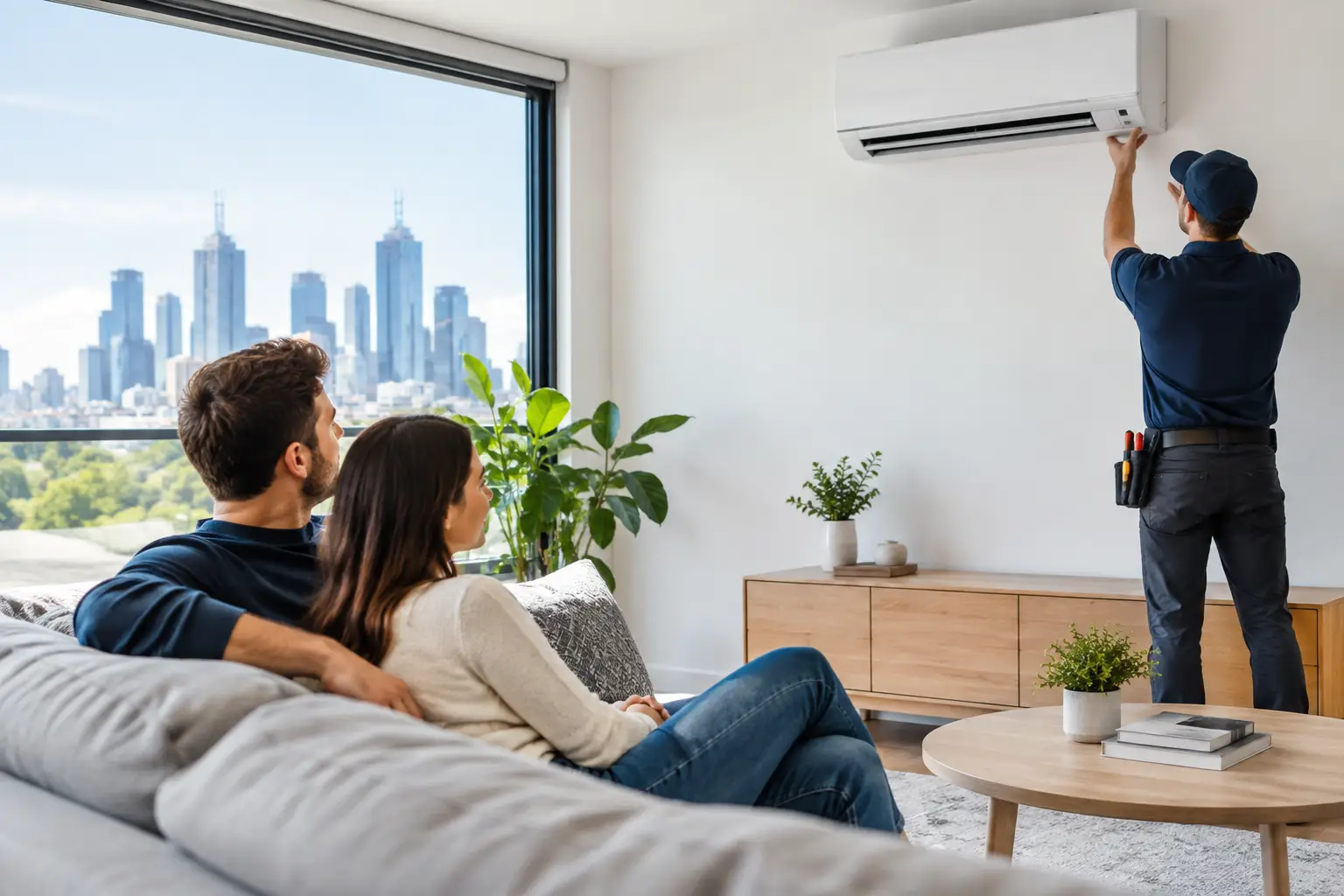
A Melbourne home aircon upgrade is often prompted by one frustrating moment: the house is still too warm after the system has been running for hours, or a winter power bill arrives that feels out of step with the comfort you received. For many homeowners, the issue is not simply that an older unit has stopped working. It is that the system no longer suits the way the home is used.
Melbourne weather puts heating and cooling systems to work across very different conditions. A unit that once managed a smaller household may struggle after an extension, a growing family, new glazing, changed work-from-home habits or years of wear. Upgrading gives you an opportunity to improve comfort, running costs and control, provided the new system is selected for the property rather than chosen on headline capacity alone.
Signs a Melbourne home aircon upgrade makes sense
An occasional repair can be the sensible choice. If a relatively new system has a minor fault, is otherwise efficient and has been regularly serviced, a quality repair may restore reliable performance for years. Replacement becomes more compelling when repairs are frequent, parts are difficult to source, or the unit still leaves key rooms uncomfortable.
Uneven temperatures are one of the clearest signs. Perhaps the living area is pleasant while bedrooms are stuffy, upstairs is significantly hotter than downstairs, or one part of the house is never warm enough in winter. These problems can come from an incorrectly sized system, ageing ductwork, poor zoning or changes to the home itself. Replacing the indoor or outdoor unit without assessing the whole setup may not fix the underlying issue.
Rising electricity use deserves attention too. Energy bills can increase for many reasons, including tariff changes and more time spent at home. But if consumption has climbed while comfort has dropped, an older air conditioner may be working harder than it should. Modern reverse-cycle systems generally offer stronger efficiency, particularly when matched properly to the space and operated with sensible temperature settings.
Noise is another practical clue. Rattling, loud starts, persistent fan noise or an outdoor unit that dominates the backyard can indicate deterioration. Some faults can be repaired, but quieter modern equipment can make a noticeable difference in bedrooms, home offices and closely spaced neighbourhoods.
Start with the home, not the air conditioner
The right system is based on more than floor area. Ceiling height, insulation, window size and orientation, shading, room layout, building materials and the number of people using each space all affect the required capacity. A north- or west-facing living area with large glass doors has very different cooling demands from a shaded bedroom of the same size.
It is tempting to choose a larger unit for extra peace of mind, but oversizing can create its own problems. An oversized system may cycle on and off too often, use more energy than necessary and deliver less consistent comfort. An undersized system will run for long periods and still struggle during peak conditions. Professional assessment helps find the useful middle ground.
For renovations, assess the planned home rather than only the rooms that exist today. If you are enclosing an alfresco area, adding a second storey or converting a spare room into an office, designing the climate control around those changes can avoid an expensive compromise later.
Choosing between split, multi-split and ducted systems
There is no single best format for every Melbourne property. The ideal choice depends on the layout, the number of rooms requiring conditioning, access for installation and how independently occupants want to control temperatures.
A split system can be an efficient choice for one main living zone, a bedroom or a compact apartment. It is often a practical solution when only a few rooms need attention or when the budget does not justify a whole-home system. The trade-off is that multiple individual units can affect the exterior appearance and may not provide a consistent solution throughout a larger home.
A multi-split system connects several indoor units to one outdoor unit. It can suit homes where separate rooms need individual control but outdoor space is limited. However, design and installation quality matter, as capacity must be considered across the connected rooms and their likely simultaneous use.
Ducted reverse-cycle air conditioning is often the preferred option for families, larger homes and major renovations. It provides discreet whole-home heating and cooling through ceiling outlets, with the option to divide the home into zones. This means you can condition occupied areas without paying to heat or cool every room. Ducted systems require sufficient roof-space access and careful duct design, so they are best planned with an experienced installer rather than treated as a simple equipment swap.
Smart zoning makes comfort more practical
A modern upgrade should make daily life easier, not create another complicated system to manage. Smart controls and zoning let you manage temperatures by area, set schedules and avoid conditioning rooms that are empty. This is particularly useful in homes where bedrooms are mainly used at night, living areas are busiest in the evening and a study is occupied only during working hours.
AirSmart-integrated solutions can bring control into one clear, tailored setup. The value is not technology for technology’s sake. It is the ability to arrive home to a comfortable living space, keep sleeping areas at an appropriate temperature and reduce unnecessary runtime when the household is out.
Setpoints still matter. In summer, setting the temperature extremely low will not cool the home faster, but it can increase energy use. In winter, chasing a tropical indoor temperature can have the same effect. Moderate settings, sensible zoning and closed windows and doors when the system is operating usually deliver better results than constantly adjusting the controls.
Do not overlook ducts, airflow and installation quality
A new air conditioner can only perform as well as the system around it. In ducted homes, damaged, undersized or poorly insulated ducts can waste conditioned air before it reaches the room. Poorly positioned outlets may leave draughts in one area and weak airflow in another. Return-air placement also affects how effectively the system circulates air.
Installation quality has a direct effect on reliability, efficiency and appearance. Correct electrical work, refrigerant handling, drainage, unit placement and commissioning are not finishing details. They are central to how the system performs through a hot spell or a cold Victorian morning.
Ask for a recommendation that explains why a particular capacity and configuration suits your home. A dependable installer should consider access constraints, room use, outdoor-unit location, zoning needs and future plans. Clear advice before installation is far more valuable than discovering limitations once the work is complete.
Repair, replace or stage the upgrade?
The decision is rarely all-or-nothing. A home with a functioning but ageing split system may benefit from a targeted replacement in its most-used area, while a larger renovation may justify a planned ducted installation. Staging the work can make sense when budget or building works are still being finalised, although it is worth considering whether separate decisions will limit your options later.
If your system has become unreliable, arrange an assessment before the busiest part of summer or winter. This gives you more time to compare practical options instead of making a rushed choice after a breakdown. It also allows a technician to determine whether servicing, repair or replacement is the best-value path.
At Air Con Solutions, the focus is on matching heating and cooling to the way your property is used, from straightforward repairs to tailored ducted and smart-control installations. With more than 15 years of experience, the team can help turn a confusing upgrade decision into a clear plan for reliable comfort.
A well-planned upgrade should feel quietly effective: comfortable rooms, sensible energy use and controls that fit naturally into everyday life. If your current system is asking for more attention than it is giving back, a professional assessment is a practical next step.