
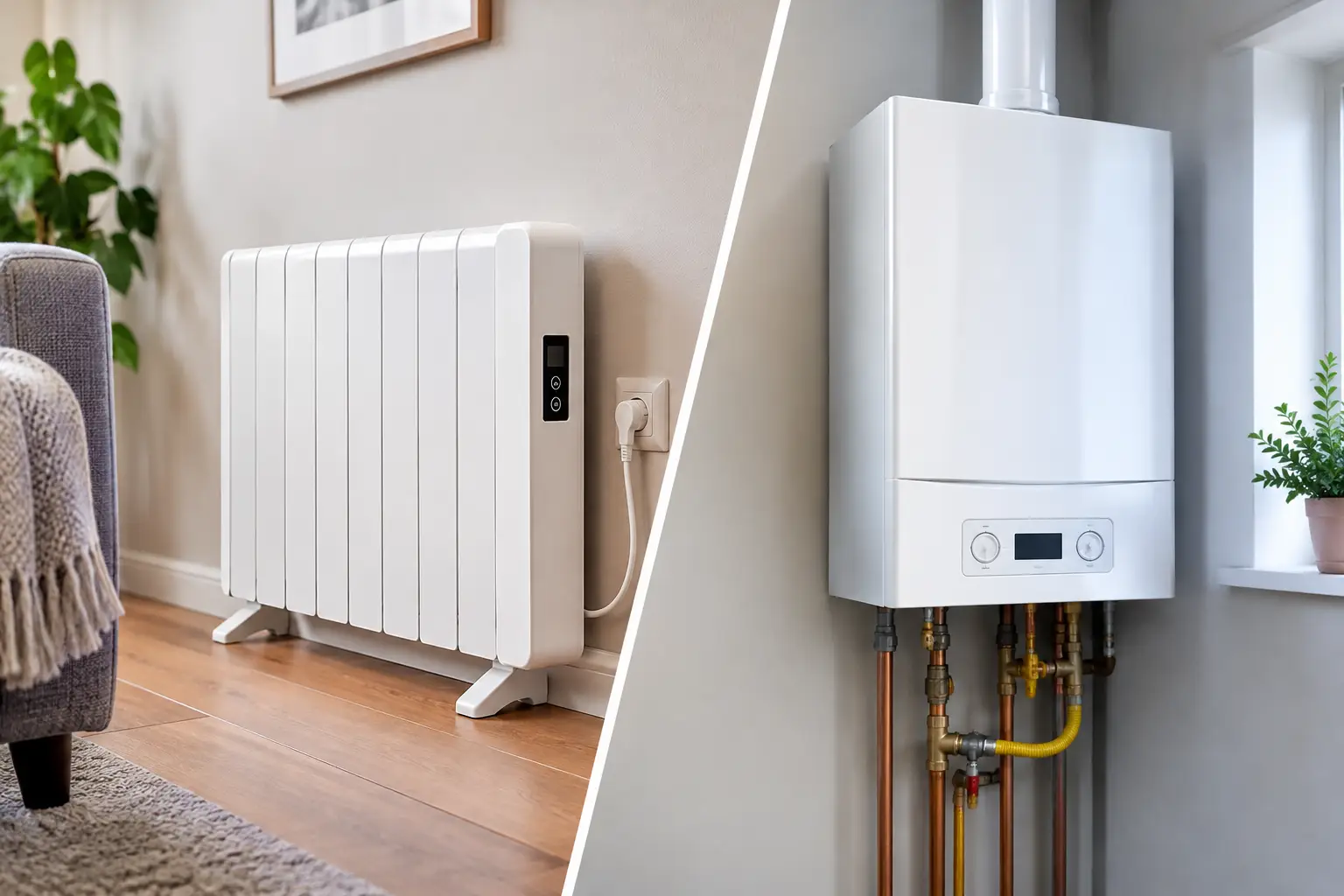
A cold Melbourne morning quickly exposes the limits of the wrong heating system. When comparing electric heating versus gas heating, the better choice is rarely about one fuel being universally cheaper or warmer. It comes down to your home’s layout, insulation, existing services, how often you heat, and whether you want heating only or year-round temperature control.
For many households, the biggest shift is understanding that not all electric heating works the same way. A portable fan heater, panel heater and reverse-cycle air conditioner all use electricity, but their running costs and performance can be very different. The right system should deliver dependable comfort without creating an unwelcome surprise on your energy bill.
Electric heating versus gas heating: the key difference
Gas heating creates heat by burning natural gas or LPG. It can be supplied through a ducted central heating system, a wall furnace, a gas space heater or a gas log fire. These systems can produce strong, rapid warmth, particularly in larger or open-plan areas.
Electric heating covers a broad range of appliances. Resistance heaters, such as electric panels, oil-filled radiators and portable heaters, turn electricity directly into heat. Reverse-cycle split systems and ducted air conditioning work differently: they move heat from outside air into your home. This makes them far more efficient than standard electric resistance heaters in most conditions.
That distinction matters. Comparing gas ducted heating with a reverse-cycle system is more useful than comparing gas heating with a small plug-in heater. One is a whole-home solution, while the other may only suit a bedroom or occasional use.
Upfront cost and what your home already has
If your property already has a well-maintained gas ducted heating system, continuing to use it may be the simplest short-term option. Replacing an ageing system, however, calls for a closer look at installation costs, energy use and future flexibility.
A new gas ducted system may require gas connections, flues, ductwork and suitable roof-space access. Installation can be straightforward in some homes and more involved in others, especially during a renovation or where the layout makes duct runs difficult.
A reverse-cycle split system can be a practical option when you want to heat key living areas or bedrooms without extensive ductwork. Multi-head systems can serve several rooms, while ducted reverse-cycle air conditioning offers a more integrated whole-home solution. It also provides cooling in summer, which changes the value equation for Victorian and NSW households dealing with increasingly warm summers.
Portable electric heaters generally cost less to buy, but their low upfront price can hide higher running costs if they are used for hours every day. They are best viewed as targeted, temporary heating rather than a primary solution for a larger home.
Running costs depend on efficiency, not just fuel
Energy prices change, tariffs vary and household usage patterns are different, so there is no single running-cost figure that applies to every home. The more useful question is how efficiently the system converts purchased energy into usable warmth.
Gas heaters can provide effective, comfortable heat, but their efficiency varies by model, age and maintenance condition. Duct losses can also reduce performance when warm air travels through uninsulated or poorly sealed roof-space ducts.
Standard electric resistance heaters are generally expensive for heating larger spaces because one unit of electricity produces roughly one unit of heat. A reverse-cycle system can produce several units of heat for each unit of electricity it uses by transferring ambient heat rather than generating it directly. In mild Australian winter conditions, this efficiency can make reverse-cycle heating a compelling choice.
Solar can further improve the appeal of electric heating, particularly when you heat during daylight hours. Battery storage, controlled usage and smart zoning may add more flexibility, although the ideal approach depends on your solar system, electricity plan and daily routine.
For a fair comparison, consider the system’s likely annual use, not only its hourly running cost. A system that heats unused rooms or runs at full capacity because it is poorly sized can cost more regardless of the energy source.
Comfort, speed and control around the home
Gas ducted heating is valued for fast, familiar warmth delivered across multiple rooms. It can be a strong fit for families who use much of the house at the same time, particularly in homes with existing ductwork in good condition.
Reverse-cycle systems offer a different style of comfort. They heat efficiently and can hold a stable set temperature rather than simply blasting heat until the room feels warm. Modern systems also provide zoning, timers and app-based controls, helping you heat occupied areas rather than the entire home.
The quality of either option depends heavily on design. A large open-plan living space with high ceilings may need a different solution from a compact, well-insulated townhouse. Bedrooms, home offices, sunrooms and extensions often benefit from tailored zoning or separate split systems, rather than relying on one system to do everything.
Noise and airflow preferences are worth considering too. Some people prefer the gentle background warmth of ducted heating, while others appreciate the individual room control of a wall-mounted split system. A professional assessment can identify where indoor units, outlets and return-air grilles will work best without compromising the look or use of the room.
Safety, air quality and maintenance
Any heating system needs regular care, but gas and electric systems have different requirements. Gas appliances must be correctly installed and serviced to ensure safe combustion, effective ventilation and reliable operation. Warning signs such as unusual smells, yellow flames, soot marks, headaches or a heater that repeatedly switches off should be checked promptly by a qualified professional.
Ducted gas systems also benefit from inspections of the heater, flue, controls and ducts. Leaks, damaged ducts or blocked components can affect both performance and comfort.
Electric reverse-cycle systems do not burn fuel inside the home, but they still need professional servicing. Filters require cleaning, outdoor units need clear airflow, and refrigerant, electrical connections and drainage should be inspected when needed. A neglected system can lose efficiency, develop odours or struggle to maintain temperature.
For either type of heating, regular maintenance protects the investment. It also gives you a clearer picture of whether repairs remain worthwhile or whether replacement will deliver better comfort and lower operating costs.
Heating and cooling in one system
This is where electric reverse-cycle air conditioning often has an advantage. It provides heating in winter and cooling in summer from the same system. For households replacing older gas heating and adding cooling separately, a ducted reverse-cycle design can reduce equipment duplication and simplify controls.
That does not mean gas is automatically the wrong choice. If you have a newer, efficient gas system, use it heavily in winter and only need limited cooling, retaining it may be sensible. Some homes also use a mixed approach: gas ducted heating for broad winter coverage, with a reverse-cycle split system in the main living area for cooling and shoulder-season heating.
The best choice reflects how you actually live in the property. Think about which rooms are occupied most, whether people are home during the day, how well the building is insulated, and whether a renovation will alter the floor plan.
When gas heating may be the better fit
Gas can still suit homes that need strong whole-house heating, have reliable existing infrastructure and have a system that is in good working order. It may also appeal where occupants prefer ducted warmth throughout the house and do not need a major cooling upgrade.
Before replacing a gas unit like-for-like, check the condition of the ducts and controls as well as the heater itself. Upgrading zoning or repairing duct leaks can sometimes improve comfort significantly without a complete system replacement.
When electric heating may be the better fit
Electric heating is often the stronger long-term option when it means an efficient reverse-cycle system rather than resistance heaters. It is particularly attractive for homes seeking both heating and cooling, room-by-room control, compatibility with solar, or a move away from gas connections.
For extensions, apartments, renovations and homes with difficult roof-space access, well-positioned split systems can offer a neat and effective alternative to installing new gas ductwork. Ducted reverse-cycle may be better where a discreet, whole-home finish is the priority.
Choose a system around your home, not a headline
The most reliable way to decide is to assess the home itself: insulation, window exposure, ceiling height, room use, existing services and future plans. Correct sizing is essential. An undersized system will work too hard, while an oversized one can cycle inefficiently and feel less consistent.
A tailored recommendation should also account for practical installation details, such as where outdoor equipment can sit, how ducts can be routed and whether zoning will make a meaningful difference. Air Con Solutions can help homeowners assess these factors and select a heating and cooling setup designed for dependable comfort, not just a quick fix.
If your current heater is noisy, uneven, expensive to run or overdue for service, treat that as useful information rather than something to put up with for another winter. A professional inspection can clarify whether a service, repair or carefully planned upgrade will give your home the comfort it needs.