
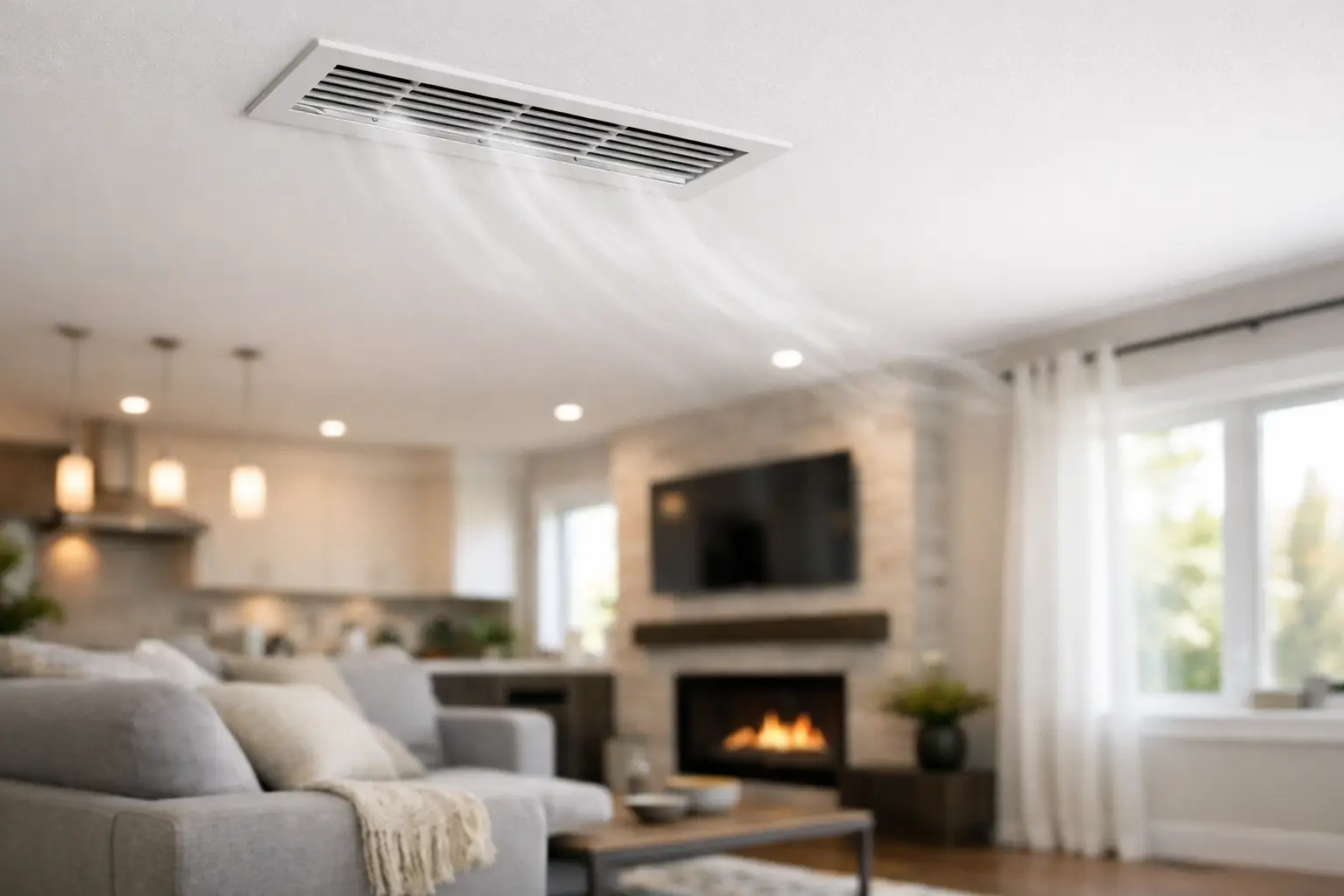
A cold Melbourne morning can make the limits of room-by-room heating obvious. The living room may feel comfortable while bedrooms, hallways and bathrooms stay chilly. Ducted heating is designed to solve that uneven comfort by delivering warm air through discreet ceiling or floor outlets, with one central system managing the home.
For many households, the appeal is simple: dependable warmth where it is needed, less clutter on the walls and a system that suits daily routines. The right outcome, however, depends on more than choosing a well-known unit. Proper system design, zoning, controls and installation all influence how comfortable and economical your heating will be.
What ducted heating changes at home
A ducted system uses a central heating unit connected to insulated ducts in the roof space or under the floor. Warm air travels through outlets positioned around the property, while a return-air grille draws air back to the unit to be heated again. The result is whole-home comfort without relying on several portable heaters or separate wall units.
It is especially useful in family homes with multiple bedrooms, open-plan areas or rooms that are difficult to keep warm. Rather than moving heat from one room to another, the system is designed around the layout of the entire home.
Ducted heating can also keep the look of a renovation clean. Most of the equipment is out of sight, leaving only low-profile grilles and a controller visible. That said, concealed components still need careful planning. A roof space with limited access, a heritage home or a property with complex ceiling lines may require a tailored design to achieve an effective fit.
Choosing ducted heating for your property
The first decision is the type of system. In Australia, the term ducted heating often refers to a gas ducted heater, but reverse-cycle ducted air conditioning can provide heating through the same ducts while also cooling in summer. Both can be excellent options, and the best choice depends on your property, existing services and how you use it.
Gas ducted heating
Gas ducted heating provides fast, strong warmth and is a familiar choice for many Victorian homes. It can be particularly appealing where natural gas is already connected and the main priority is winter heating. Modern systems can be efficient, but running costs will still vary with gas prices, insulation, thermostat settings and the size of the area being heated.
A gas system generally needs a separate solution for cooling. For some homes, that may be acceptable. For others, installing heating and cooling as separate systems can mean more equipment to maintain and more decisions to make later.
Reverse-cycle ducted systems
A reverse-cycle ducted system moves heat rather than creating it by burning fuel. It provides warm air in winter and cool air in summer, making it a practical all-season option for households that want one integrated climate-control system.
Its efficiency can be very attractive, particularly when the home is well insulated and the system is correctly sized. It may also suit owners looking to reduce reliance on gas over time. However, performance, upfront cost and running costs depend on the unit selected, electrical capacity, design quality and local energy tariffs. A professional assessment should consider these details rather than relying on a one-size-fits-all recommendation.
Size and design matter more than expected
An oversized heater can heat rooms quickly but may cycle on and off too often, affecting efficiency and comfort. An undersized system can run for long periods without bringing the home to the desired temperature. Neither is a good investment.
A considered design looks at the home as it is actually used. That includes floor area, ceiling height, insulation, window size and orientation, the number of occupants, room function and whether doors are usually closed. A sunny lounge, for example, behaves very differently from a south-facing bedroom at the end of a hallway.
Outlet placement matters too. Warm air needs to reach occupied areas without creating draughts or being blocked by furniture. Return-air grille location is equally important because poor air circulation can make a capable system feel inconsistent. During a site assessment, an experienced technician can identify practical constraints before they become installation problems.
Zones give you more control
Zoning divides the ductwork into sections that can be controlled separately. Instead of heating every room every time, you can direct conditioned air to the living area during the day and bedrooms in the evening. This is one of the most useful ways to improve comfort while avoiding unnecessary energy use.
The number of zones should match your household routine, not just the number of rooms. A compact home may only need two zones, while a larger two-storey property may benefit from several. Too few zones can limit flexibility; too many can add cost and complexity without delivering a meaningful benefit.
Smart controls can make zoning easier to use. Depending on the system, you may be able to schedule temperatures, adjust settings from a mobile device or monitor how the system is operating. The technology is helpful when it supports simple habits, such as warming the home before the family gets up or reducing output when everyone is out.
What affects running costs?
There is no single running-cost figure that applies to every property. The cost of ducted heating is shaped by the energy source, system efficiency, outside temperature, electricity or gas rates, thermostat settings and the condition of the home itself.
Insulation and draught sealing are often overlooked. Heat can escape through poorly insulated ceilings, gaps around doors, ageing seals and unshaded glass. Before expecting any heating system to work harder, it is worth addressing obvious heat loss. Small improvements can reduce the load on the system and make rooms feel more stable between heating cycles.
Your thermostat setting also makes a difference. Aim for a comfortable, consistent temperature rather than turning the system up high to force a faster result. Heating equipment does not warm a room more quickly simply because the set temperature is much higher - it will usually just run for longer once the room reaches a comfortable level.
Installation should protect performance
Good equipment cannot compensate for poor installation. Ductwork should be appropriately sized, properly supported and well insulated, with connections sealed to reduce air loss. The central unit needs suitable access for future servicing, and outdoor components for reverse-cycle systems need clear airflow and a stable location.
For renovations and new builds, involving a heating and cooling specialist early can prevent awkward compromises. Ceiling bulkheads, roof trusses, lighting layouts and cabinetry can all affect where ducts and outlets can go. Early planning gives you more options and helps preserve the look of the finished space.
Air Con Solutions designs and installs tailored heating and cooling systems with the practical details in mind, from layout constraints to smart control options. The aim is not simply to fit a unit, but to create reliable comfort that works with the way your property is used.
Keep your system reliable with regular servicing
Like any major home system, ducted heating benefits from routine care. Filters and return-air grilles should be kept clean, outdoor units should remain clear of leaves and debris, and unusual noises or inconsistent temperatures should be checked early.
Professional servicing is particularly important for gas ducted heaters. A qualified technician can inspect safety controls, test operation and identify wear before it becomes a breakdown. For reverse-cycle systems, servicing can help maintain airflow, efficiency and drainage performance.
If some rooms suddenly feel colder than others, the controller displays an error, airflow has weakened or energy bills rise without an obvious reason, arrange an inspection. Waiting for a complete failure can turn a straightforward repair into an urgent problem during the coldest part of the year.
The most effective ducted heating system is one that feels almost effortless: warm rooms, sensible energy use and controls that suit your routine. Start with a design that reflects your home and seek qualified advice before committing - that is how everyday comfort becomes a dependable part of the property.